Pete Sparber, Art & Image editor, interviews Sam Connors (Da Vinci Art Alliance and Blanche Brown (Vox Populi) about Collective Futures, a collaboration among more than 45 artist-run organizations culminating in six weeks of exhibitions, performances and events across Philadelphia this fall.
Artists Keep Building Philadelphia From the Ground Up
Collective Futures brings together a growing list of more than 45 artist-run organizations together this fall; another eruption of the collaborative culture that may be one of Philadelphia’s defining artistic strengths.
Philadelphia has long had a particular kind of artistic energy. Its relatively human scale, comparatively accessible cost of living, and dense network of artist-run organizations create room for artists to live, experiment, organize and build things for themselves. Beneath the city’s museums, universities and established galleries is another cultural layer….smaller, more improvisational and often partly invisible. Artists form collectives, open DIY spaces, create
exhibitions for one another, share resources and make opportunities where none previously existed.
Every so often, that underlying network erupts into something large enough for the whole city to see. This fall, it is happening again.
From October 2 through November 15, Collective Futures will bring together more than 45 artist-run spaces, collectives and cultural organizations for six weeks of exhibitions, performances, workshops and public programs across Philadelphia. The project began in 2023, when several Vox Populi members started talking about what was initially imagined as a DIY arts biennial. Invitations went out, people filled out a Google form, meetings began, and almost immediately the people who initiated the idea gave up control over what it would become. The participating organizations collectively developed the scope and direction of the project, which gradually evolved into something looser and perhaps more characteristic of the organizations themselves: Collective Futures.
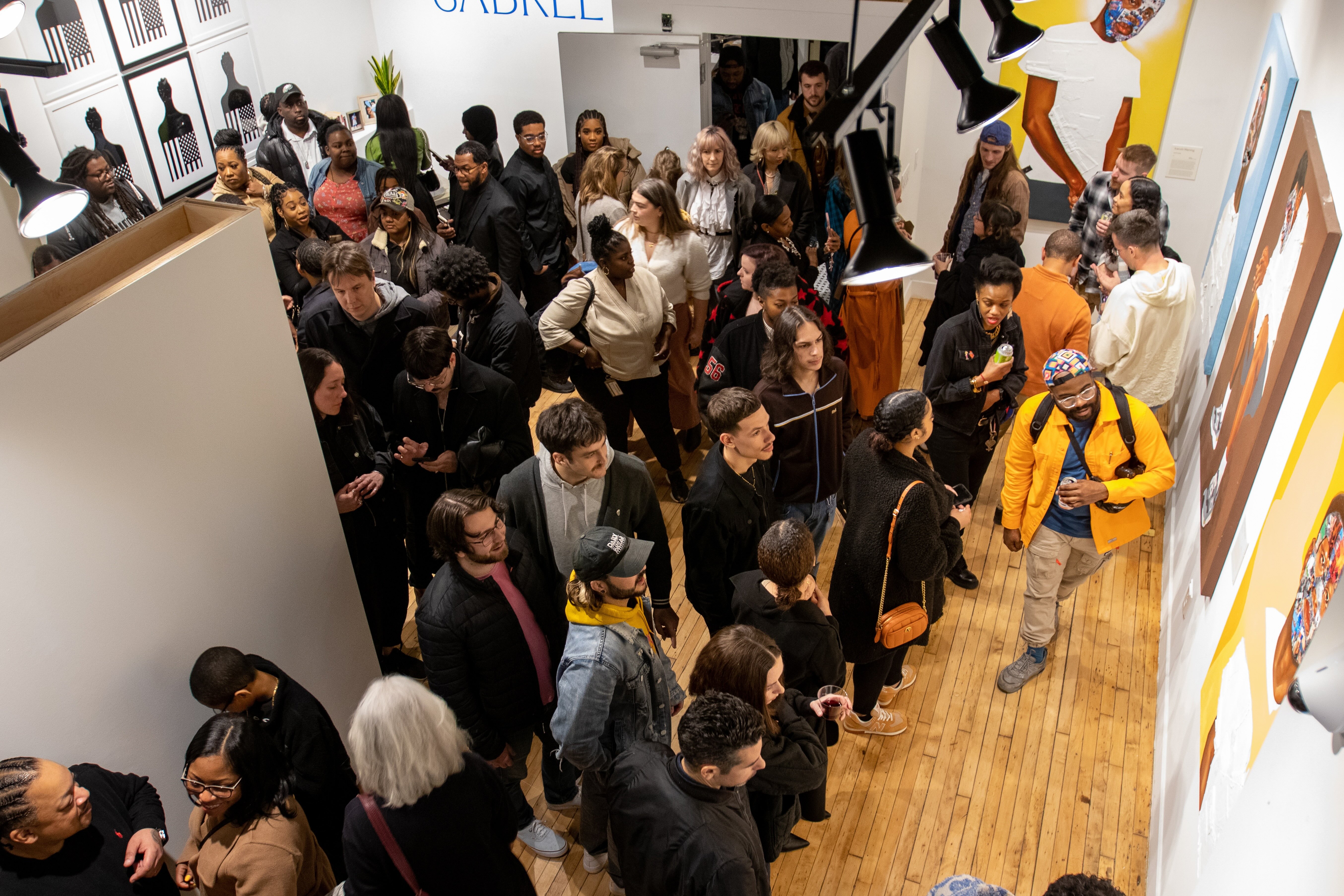
Talking recently with Blanche Brown, Executive Director of Vox Populi, and Sam Connors, Executive Director of Da Vinci Art Alliance, I became interested in what the project might reveal about Philadelphia itself. Brown described the city as a “mecca” for artist collectives and artist-run spaces, a kind of grassroots arts infrastructure that deserves recognition well beyond Philadelphia.
That description begins to make sense when you consider where artists often get their first real opportunities. As Brown put it, “People’s first shows are not at the MoMA. They’re not at the PMA. They’re not even up at the ICA.” Instead, artists frequently enter public life through precisely the kinds of smaller spaces participating in Collective Futures. They exhibit,
experiment, meet peers, organize projects and gradually become part of a larger cultural community.
In that sense, artist-run organizations are not peripheral to Philadelphia’s art world. They are part of its root system.
Collective Futures also emerged at a particular moment. In 2023, Philadelphia’s cultural community was still rebuilding after COVID. Public programming was returning, but organizations and artists had spent years separated from one another. Brown remembers a feeling of having been “sort of siloed.” Part of the impulse behind Collective Futures was simply to reconnect, to rebuild relationships that had weakened and create new ones.
At the same time, a new generation of collectives was appearing. Connors described an established network of organizations: Vox, Da Vinci, Practice, Automat, Tiger Strikes Asteroid and others whose people had been crossing paths for years. But newer groups were developing outside those existing relationships. Collective Futures began knitting those generations together. For Connors, the difference between knowing about another space and actually knowing the people running it matters; once those relationships become personal, they said, the network becomes “more thick.”
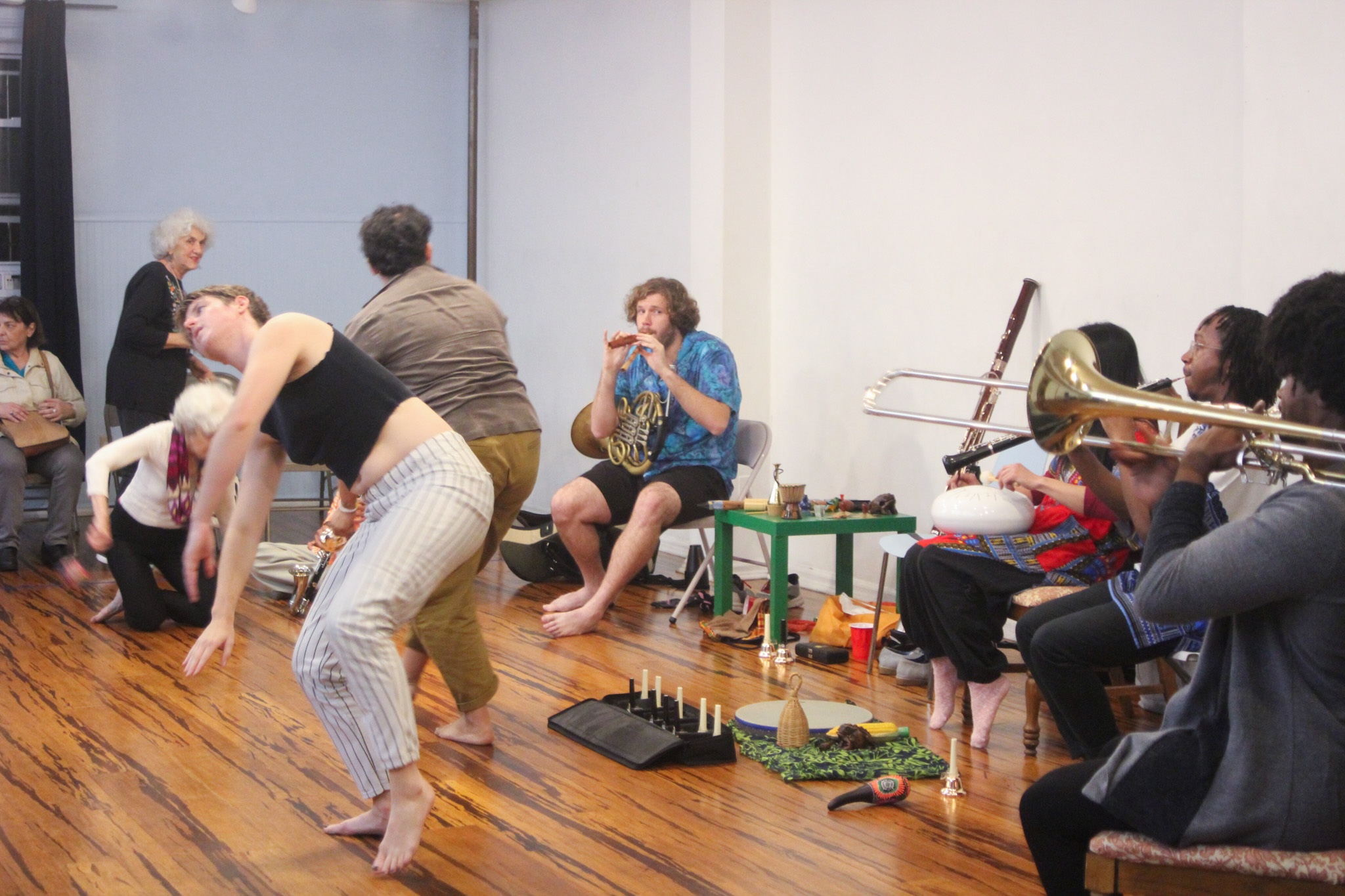
The public-facing project is substantial. Current plans include more than 30 exhibitions and over 20 public programs, with a launch on October 1 followed by programming across the city through November 15. Larger events include Parallel Play, a two-day symposium at Asian Arts Initiative; an “Icebox Mall” bringing multiple organizations into the Icebox Project Space; Vox’s An Endless Meeting; print projects, performances, workshops and neighborhood-based programming.
There is no single aesthetic tying all of this together. Each organization brings its own audience, history, politics and curatorial lens. The loose common question is what it means to create and work collectively. “Each space, we all have our vibe,” Connors said…its own way of moving through the world and its own way of making.
The project is supported by the Penn Treaty Special Services District, the Andy Warhol Foundation for the Visual Arts and the PCI Catalyst Grant. That support matters, but so does the amount of volunteer labor underneath the project. Connors notes that many of the
smaller participating spaces operate with extremely limited resources and considerable “sweat equity.” Some largely finance their programming through opening-night sales and contributions from their own members.
And Philadelphia has seen versions of this before. Brown recalled CITYWIDE, an earlier collaboration among artist collectives. Connors pointed to Philagrafika, the citywide print initiative they encountered while visiting Philadelphia before eventually moving here. Seeing that kind of artistic activity, they said, helped convince them that Philadelphia was somewhere they wanted to live.
“These things just pop up,” Connors said. “And then...they go away, but they come back in a different iteration.”
That may be the most useful way to understand Collective Futures. Philadelphia’s collective culture does not necessarily produce permanent structures. Organizations appear and disappear. Membership changes. Spaces close and new ones form. But the impulse to organize survives.
And something is already happening beyond the six-week festival. Connors says people who met through Collective Futures are now reaching out to one another about unrelated projects, exchanging information, asking for help and developing new collaborations. “Now it’s not just about Collective Futures,” they said.
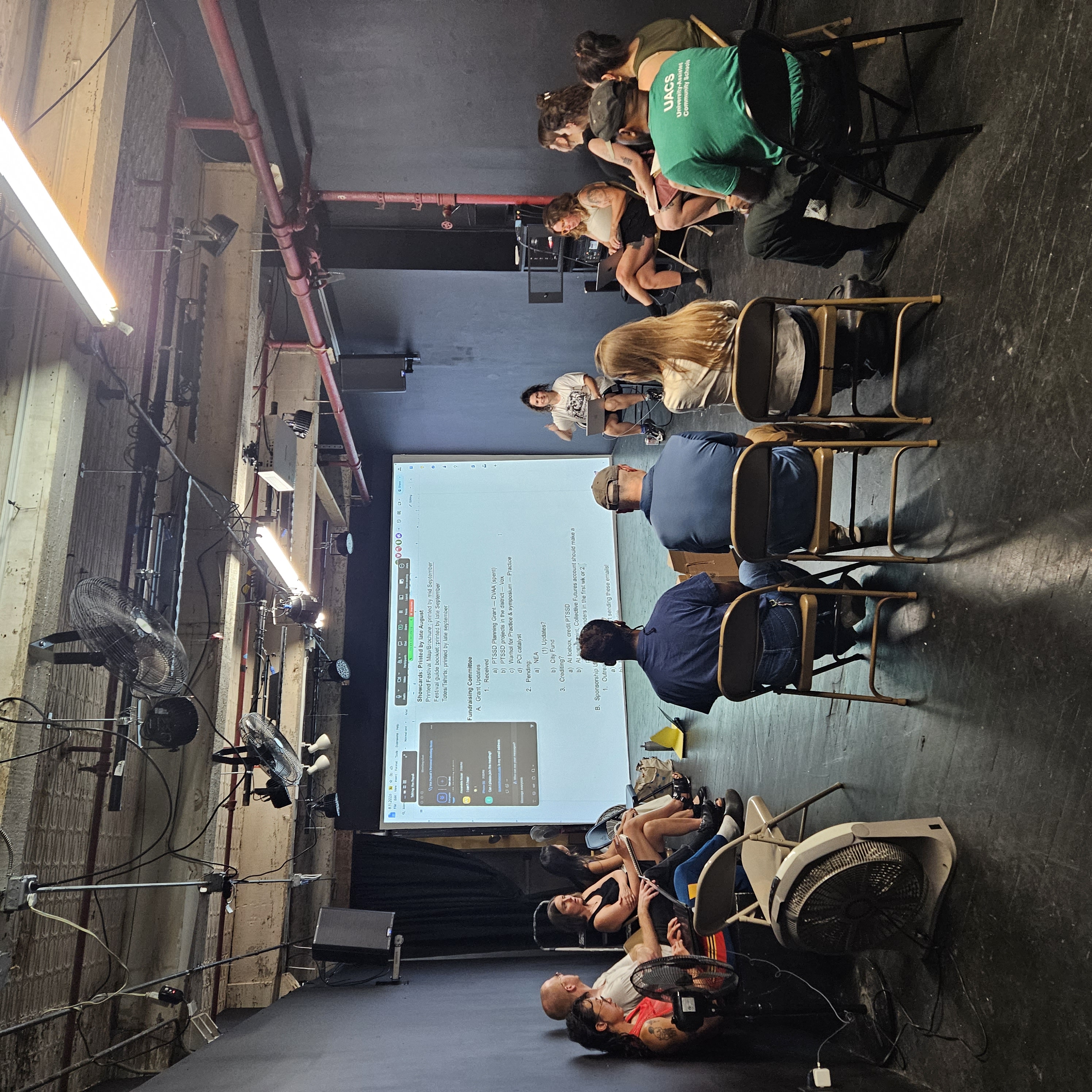
There are currently no plans to turn the project into a recurring biennial. Brown points out that artist-run organizations change too quickly for a permanent structure to necessarily make sense. After November, the participants may decide to do something together again, or they may not.
Perhaps permanence is not the most important measure. The more lasting legacy may be the relationships: younger collectives getting to know long-established ones, artists learning who to call when they need a venue or collaborator, and organizations becoming more aware of one another’s strengths.
Those connections become part of Philadelphia’s cultural infrastructure.
And perhaps that is one reason the city remains such fertile ground for artists beginning their careers. Philadelphia offers room to experiment, peers to work alongside, organizations through which artists can become visible, and a longstanding habit of building new structures when existing ones are not enough.
For six weeks this fall, Collective Futures will make that normally semi-hidden ecosystem visible. Then, eventually, Philadelphia’s artists will begin building the next thing.
Collective Futures runs October 2–November 15, 2026, with exhibitions, performances, workshops and public programming across Philadelphia.
For more information and a list of participating organizations and events go to:
https://www.collectivefutures.info/ and follow Collective Futures on Instagram at: https://www.instagram.com/collectivefutures.info/
Want to stay in the know about Philly’s visual arts scene? We’re developing a semi-regular Art & Image Newsletter - featuring interviews, articles, and reviews straight to your inbox!