Art & Image Philadelphia editor Pete Sparber interviews Gabriela Sanchez, Executive Director of the Philadelphia Cultural Fund, about how one of the city’s critical arts funders is reinventing itself to better support, and strengthen, Philadelphia’s cultural community.
For 35 years, the Philadelphia Cultural Fund has played a unique and important role in the city’s arts ecosystem. Established in 1991, PCF channels public funding into unrestricted operating grants for community-based arts and culture organizations across Philadelphia. Now the Cultural Fund is attempting something more ambitious: rethinking not only how it distributes money, but what kind of institution it wants to be. On September 23, PCF will announce a new strategic plan covering fiscal years 2027 through 2029. At its center is a fundamental change in its grantmaking model. Organizations selected in the coming grant cycle will receive unrestricted Art & Culture grants for three years rather than applying again annually. The amount of those grants may rise or fall each year depending on the City’s appropriation to PCF, while a subset of grantees will also qualify for an additional $10,000 annual Community Impact Grant funded by the William Penn Foundation.
That combination is designed to reconcile two realities that don’t easily fit together: small cultural organizations need predictable support, while PCF itself depends on an unpredictable annual City budget. “We’re trying to build stability,” Executive Director Gabriela Sanchez told me, “while we are also working in an unstable environment.” But after a long conversation with Sanchez, the funding changes seem like pieces of a larger reinvention. PCF wants to become less of an organization that appears once a year when grant applications are due and more of a year-round hub for the hundreds of small and mid-sized organizations that form much of Philadelphia’s cultural infrastructure; providing professional development, creating connections, building organizational capability and advocating for greater investment in the sector. “Our work is far from finished once our grant awards go out,” Sanchez said. “We are growing PCF to serve as that hub and as that convener for the entire sector.”
A Dreamer and a Doer
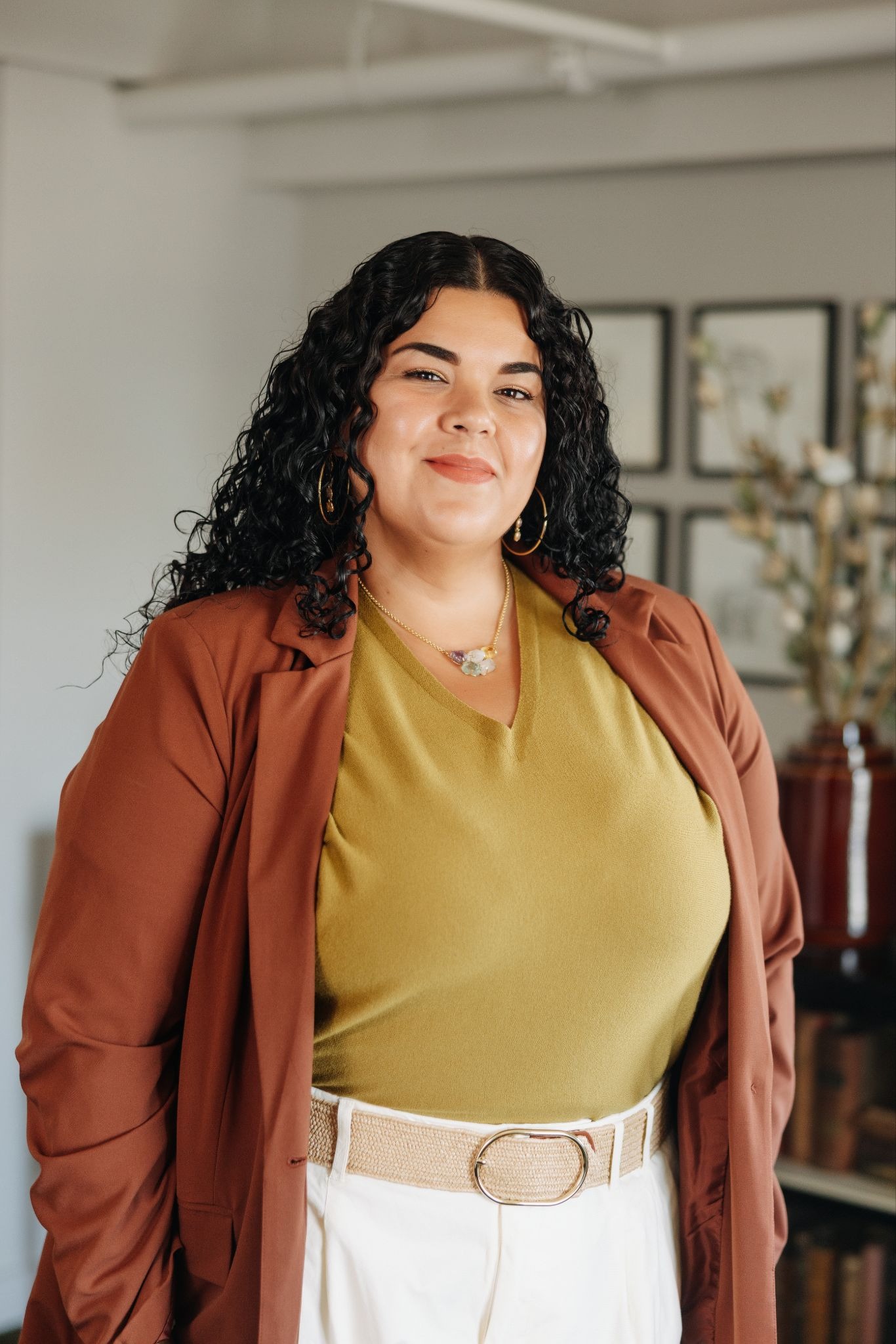
Sanchez brings an unusually personal perspective to that task because she once stood on the other side of PCF’s grantmaking process. Born and raised in Philadelphia, she attended the Philadelphia High School for Creative and Performing Arts and later co-founded Power Street Theatre. “The first grant I ever wrote was for the Cultural Fund,” she told me. “And so I am the people we also serve, right? Which isn’t always the case in philanthropy.” She describes herself as a multidisciplinary artist and “a dreamer and a doer”—someone attracted to imagination and experimentation but also impatient to translate ideas into action.
Her experience running a small arts organization also informs how she sees the Cultural Fund’s constituency. Many grassroots organizations are led by artists who became administrators out of necessity. Sanchez herself trained as an actor, not as an executive director. She remembers learning how to build an organization while she was already running one, and PCF’s unrestricted funding helped Power Street pay for the things it actually needed; including coaching that helped her develop as a leader. That experience left her with an enduring belief that money matters enormously, but money alone isn’t enough. Small organizations also need skills, relationships and access to people confronting similar problems. “We know they need operational support,” she said, “but we also know they need skill building and networking just as much as that financial capital.”
That realization helped produce what Sanchez describes as a shift in thinking inside PCF itself. The organization would no longer define its role simply as distributing grants once a year. It would try to become “an ongoing convener and resource hub for our entire ecosystem.” And the resources it develops won’t necessarily be limited to funded organizations. Future programs are intended to be available more broadly to people across the arts community when the subject matter is relevant to them.
Reinventing the Process
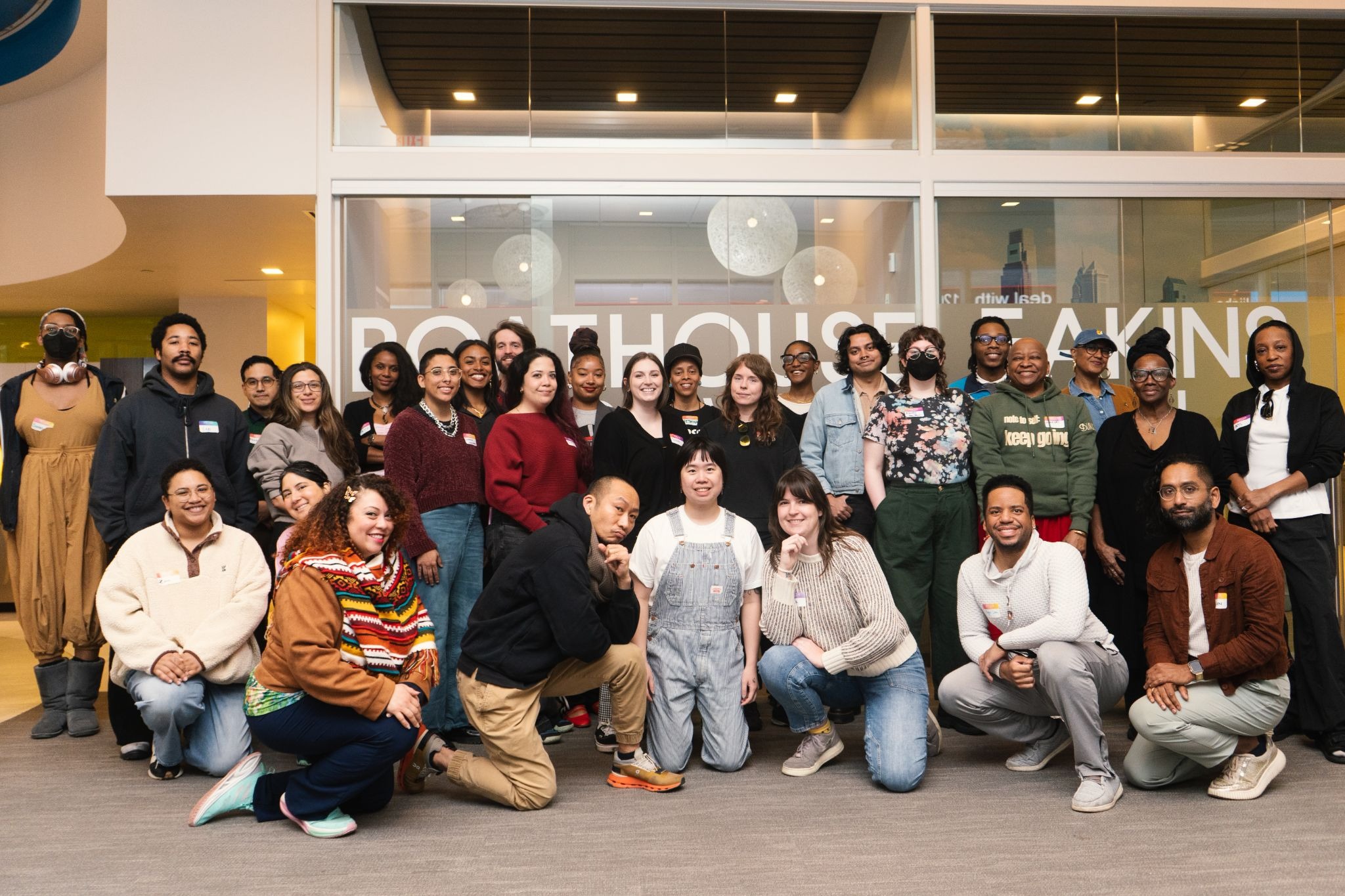
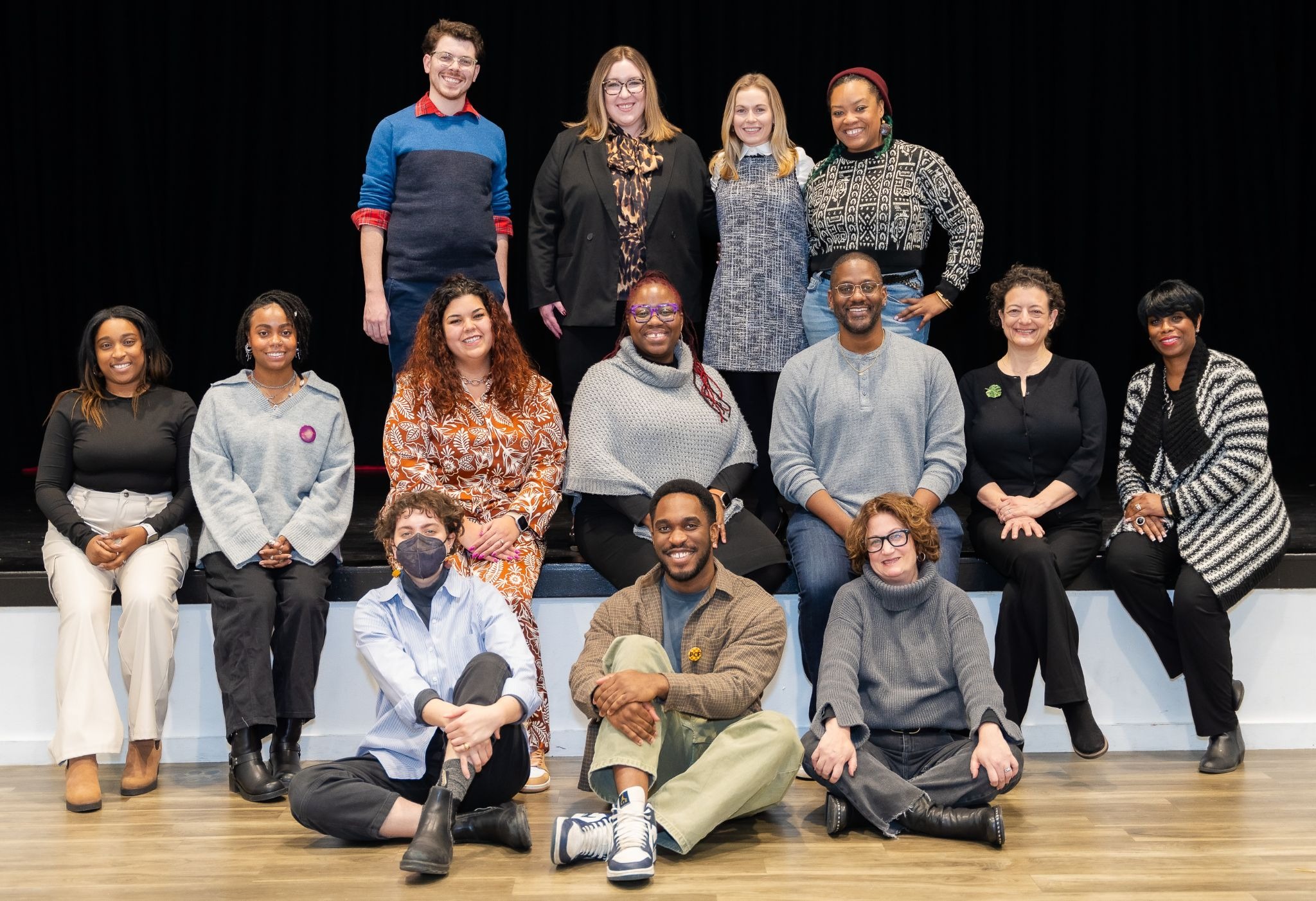
The transformation didn’t happen all at once. Sanchez describes PCF’s evolution as a process of experimentation, listening and occasionally forcing herself to slow down. Early changes included a new visual identity and a reconsideration of how PCF defines the art and culture organizations it serves. More consequentially, PCF restructured its peer-review process. Working with AFE Strategies (www.acfstrategies.com), it created a smaller cohort of 36 panelists and, for the first time at PCF, paid them for the work. The goal was to create a process rooted in education and equity in which members of the community…not PCF’s staff or board…participate directly in decisions about how funding is distributed.
Sanchez points to the response of 2026 panelist Tamanya Garza, who described the experience as “an extraordinary and thoughtful inclusion of Philadelphia’s artists participating in funding in their own community.” For Sanchez, the comment captured the aspiration behind the redesign: philanthropy that is “more transparent, more participatory, and more connected to the people and communities it’s intended to support.” Just as importantly, PCF surveyed panelists about what hadn’t worked. Sanchez says the organization will make additional changes based on that feedback. The peer-review model, in other words, isn’t being treated as a finished solution but as a system that can continue to evolve.
That willingness to experiment becomes important in understanding what comes next. PCF spent roughly a year and a half developing its new strategic plan…far longer than Sanchez initially expected…and she came away from the process with a greater respect for the tension between urgency and deliberation. “I had to also trust the process,” she said. The FY27-FY29 funding structure itself will be treated as a pilot, subjected to evaluation and adjusted as PCF learns what actually works.
Three Years of Stability
The most immediate and consequential change for applicants is the move from annual to three-year funding. Organizations selected in the coming grant cycle will receive an unrestricted Art & Culture grant in each of fiscal years 2027, 2028 and 2029. They won’t have to reapply each year, although the amount they receive can change depending on the City’s annual allocation to PCF. The fall 2026 application window will therefore be the only opportunity to enter this funding cycle; PCF won’t accept another round of applications until the FY30 cycle.
That structure provides continuity without pretending PCF can guarantee money it hasn’t yet received. The difficulty of that balancing act became particularly clear this year. Sanchez said PCF’s City allocation was cut by $1.5 million. Because the strategic planning process had included multiple financial scenarios, PCF had already contemplated that possibility as a ‘worst case scenario’, but it underscored the problem the new system is designed to address. “No year has been the same for PCF,” Sanchez said.
At the same time, private philanthropy has given PCF another tool. Sanchez approached the William Penn Foundation with an ambitious request for private support and ultimately secured a ground-breaking $8 million, four-year commitment. Part of that investment will support annual $10,000 Community Impact Grants for a subset of organizations in the new three-year cohort. Unlike the City-funded portion, those $10,000 awards are fixed, creating another layer of predictability.
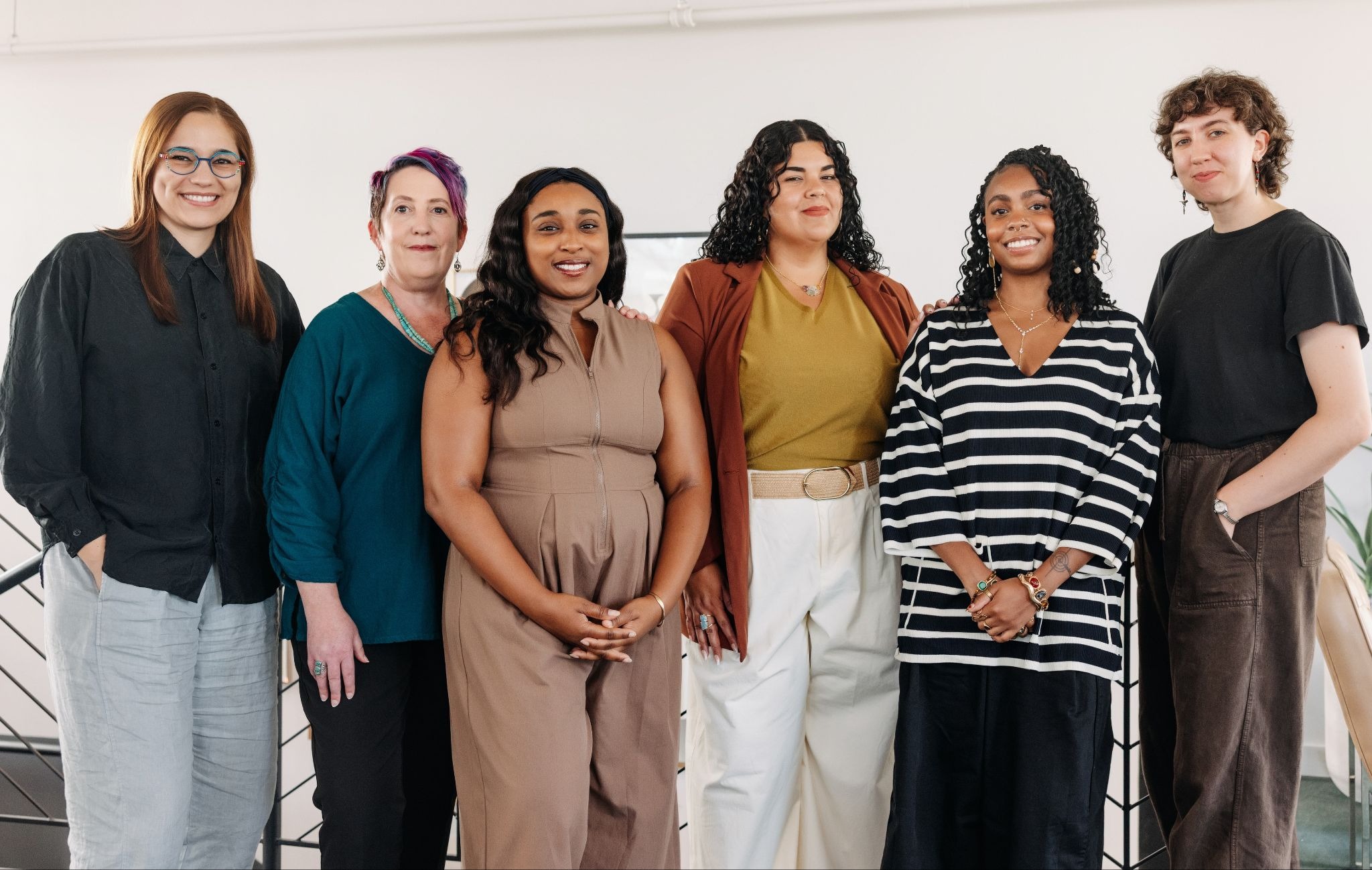
There is an organizational logic behind all of this as well. Moving away from a full annual grant cycle reduces some of the repetitive administrative work involved in reviewing and processing hundreds of applications every year. That creates room for PCF staff to turn outward. Sanchez says that shift was only possible after several years spent strengthening PCF itself. When she arrived, she recalls, a two-person staff was managing a portfolio of roughly 300 organizations. “It’s taken me almost four years to take care of home,” she said. “It’s not just building the sustainability of our grantees. It’s also building the sustainability of PCF as an organization.”
More Than the Grant
What PCF intends to do with that increased capacity may ultimately be as significant as the funding redesign. Beginning in fall 2026 and continuing through spring 2027, Sanchez anticipates free skill-building workshops, professional development and community gatherings, developed in partnership with organizations with expertise across the sector. She cited DataArts, Art-Reach, Obvious Agency / the Philadelphia Arts Workers Assembly, the Greater Philadelphia Cultural Alliance and Creative Philadelphia among potential collaborators (see links at the end of this article). And because those offerings are envisioned for the broader community rather than simply PCF grantees, the Cultural Fund potentially extends its reach well beyond the organizations receiving checks.
Sanchez also wants the grantmaking process itself to become more useful. She remembers her own early PCF application as demanding, but also unexpectedly valuable because the questions forced her to articulate what her young organization was accomplishing. She wants current applicants to have a similar opportunity for reflection while making the process more accessible and understandable. Ideally, she says, an organization should emerge with language it can use elsewhere; with donors, staff, other funders or its own community. And PCF staff should be available before and after the application, through information sessions, one-on-one assistance and feedback. “I want people to know that we are accessible,” Sanchez said. “And that, in and of itself, is the culture change in philanthropy.”
There is another benefit to PCF’s peer-review structure: Sanchez and her staff aren’t personally choosing the winners. She believes that changes the power relationship between funder and applicant and allows staff to act more consistently as advocates for the sector as a whole. The problem, she says, isn’t a lack of worthy organizations; it’s insufficient resources to support all of them. That leads directly to the next part of PCF’s emerging identity.
Making the Case for Culture
Sanchez sees PCF’s convening role extending beyond workshops and professional development into advocacy. She praised Councilmembers Rue Landau and Isaiah Thomas for championing arts funding and showing up in the cultural community, but she also argues that Philadelphia needs a larger shift in how it thinks about the arts. “Art is at the intersection of public safety, public health, of all of those civic infrastructure,” she said. “It is civic infrastructure.”
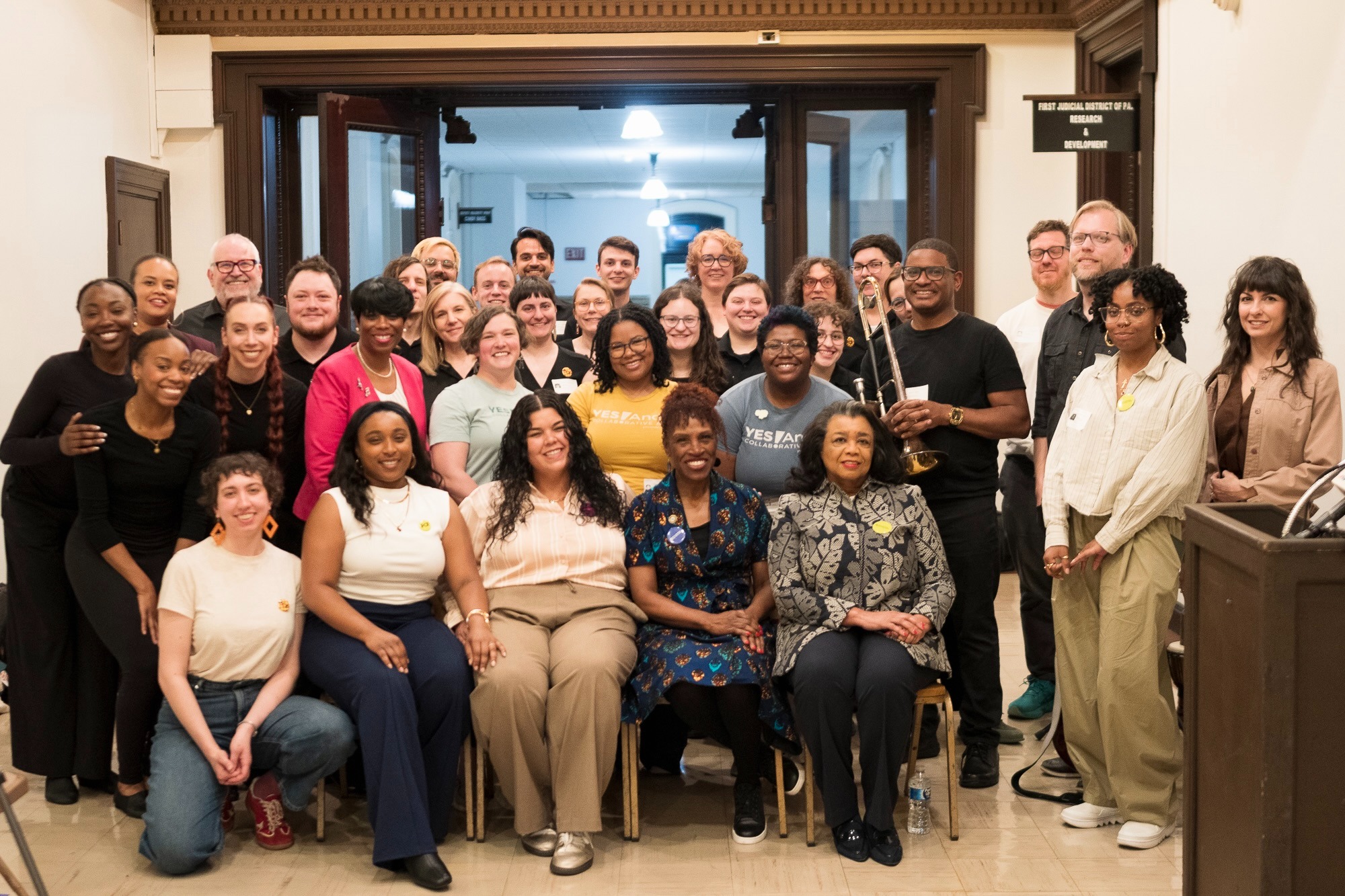
The three-year experiment could help PCF make that argument with evidence. Sanchez hopes the organization can demonstrate that sustained, predictable funding produces stronger, more stable cultural organizations, and ultimately use those results to make the case for greater City investment after FY29. “This could lay out the groundwork to convince the City Council to allocate greater funds to support a larger cohort,” she said. The fixed William Penn grants also provide an intriguing public-private experiment: private philanthropy making a multiyear commitment alongside a public funding stream whose size remains uncertain.
For Sanchez, however, advocacy starts before the ask. It begins with relationships, education and a cultural sector that can articulate its value collectively. Philadelphia’s arts community is large, decentralized and neighborhood-based; one of her aspirations is to help develop a shared language that allows those individual organizations to speak more powerfully together. By 2029, she would like PCF to be recognized across Philadelphia’s Council districts as “a responsive, trustworthy, and essential convener.”
That may be the clearest measure of the transformation PCF is attempting. Success will still mean distributing money equitably and responsibly. But it will also mean strengthening the people running small organizations, connecting them to one another, making philanthropy more accessible, building partnerships, gathering evidence and helping a fragmented cultural ecosystem recognize its collective power.
Near the end of our conversation, Sanchez described the vulnerability she feels in making such a fundamental change. “We’re a whole new organization, in a lot of ways,” she said. There is no guarantee that every element of the new model will work exactly as imagined, and she doesn’t pretend otherwise. She repeatedly calls it an experiment; something to be tested, evaluated and changed.
Perhaps that willingness comes naturally to someone who still thinks like an artist. Sanchez told me that taking on executive leadership, while also becoming a mother, had pulled her away from the artistic practice that had once defined her. For a time she grieved that loss. Eventually, she found another way of understanding what she was doing: “My leadership is an art form.” The experimentation, imagination, collaboration and willingness to work without knowing exactly where something will lead had simply migrated into another medium.
And there is something fitting about applying that creative process to the Philadelphia Cultural Fund itself. For 35 years, PCF has performed one of the essential, largely behind-the-scenes jobs in Philadelphia’s cultural life: moving public dollars into the hundreds of small and mid-sized organizations where much of the city’s cultural vitality actually lives. Now, rather than simply continuing to do that work as it has always been done, the organization has undertaken the harder task of asking what that mission requires today.
The answer it has arrived at is both pragmatic and ambitious: give grantees greater stability; make funding more participatory and accessible; reduce unnecessary administrative work; help organizations build skills and relationships; connect a fragmented cultural community; and use what is learned to make a stronger case for public investment in the arts. None of it is guaranteed to work exactly as planned. Sanchez is the first to describe the next three years as an experiment.
But that may also be what makes this moment worth paying attention to and supporting. An organization that has long helped sustain Philadelphia’s cultural ecosystem is now trying to strengthen the ecosystem itself. PCF has done the difficult work of examining its own assumptions, rebuilding its capacity and asking how the resources entrusted to it can produce greater value for artists, cultural organizations, neighborhoods and the city as a whole. The next three years will test those ideas in practice.
Links:
Art-Reach - https://www.art-reach.org/
Creative Philadelphia - https://www.creativephl.org/
DataArts - https://www.pewcenterarts.org/organization/dataarts
The Greater Philadelphia Cultural Alliance - https://philaculture.org/
The Philadelphia Arts Workers Assembly - https://www.obvious-agency.com/phlartsworkersunited
Councilmember Isaiah Thomas - https://phlcouncil.com/isaiahthomas/
Councilmember Rue Landau - https://phlcouncil.com/ruelandau/
Want to stay in the know about Philly’s visual arts scene? We’re developing a semi-regular Art & Image Newsletter - featuring interviews, articles, and reviews straight to your inbox!