Art & Image Philadelphia Editor, Pete Sparber talks with CultureWorks’ Executive Director Ariel Shelton, exploring the shared-service model and her vision for a more collaborative Philadelphia arts community.
CultureWorks Executive Director Ariel Shelton sees shared infrastructure, deeper collaboration and human connection as building blocks for a more sustainable cultural ecosystem.
Ariel Shelton spent years training as a French horn player, and when she talks about the future of cultural organizations, she sometimes finds herself returning to the orchestra.
Think about how an orchestra works, she suggests. Dozens of highly trained musicians devote themselves to the work only they can do. They don't each maintain a separate nonprofit, hire an accountant, negotiate insurance, administer payroll or assemble their own board. Behind them is shared infrastructure: a stage, administrators, fundraisers, marketers and all the other machinery required to let musicians concentrate on making music.
Why shouldn't more of the cultural world work that way?
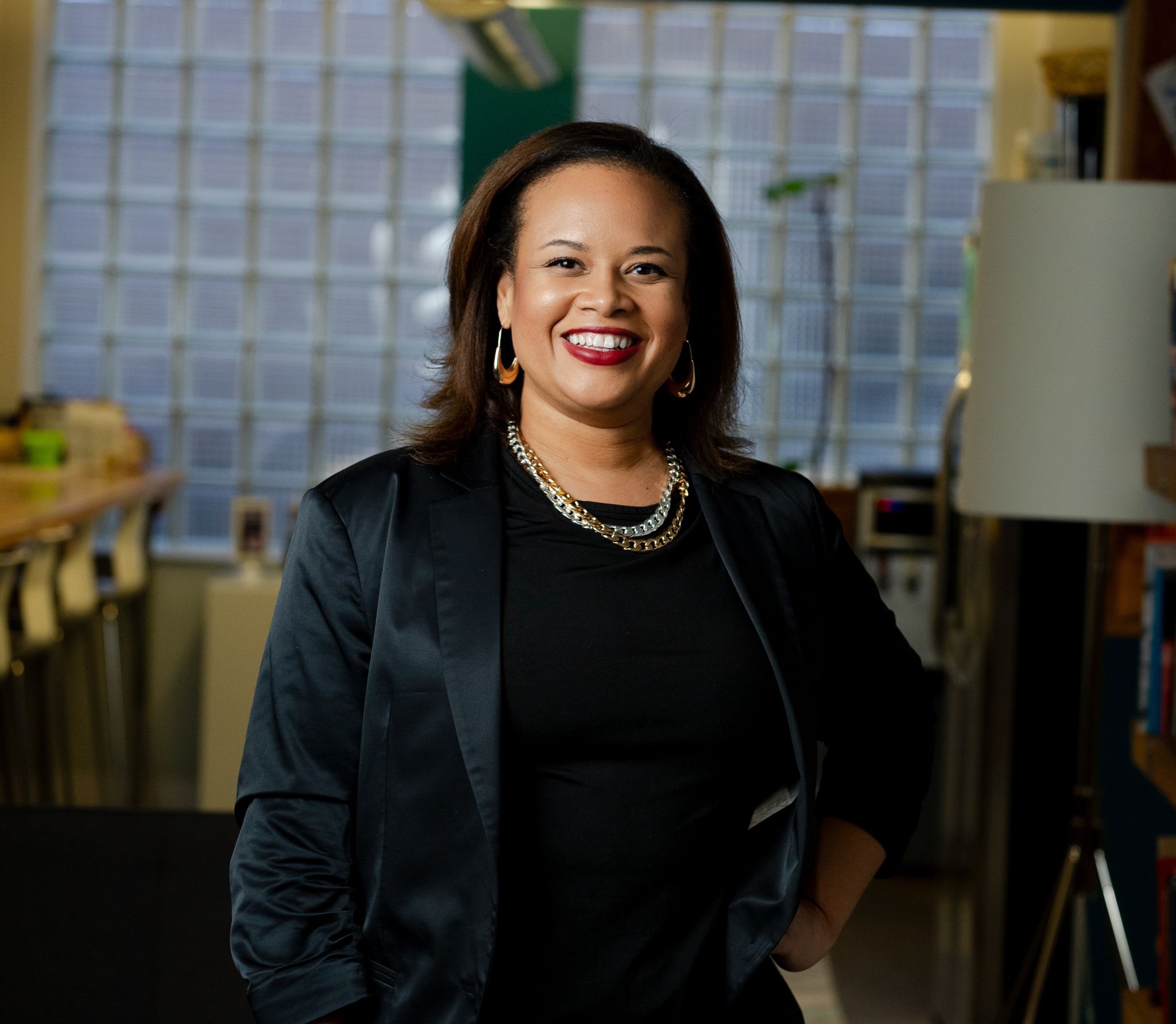
“I would love to see us moving closer to that,” Shelton told me recently. “Each orchestra also has a nice robust administrative team that supports it with fundraising, with marketing, with keeping the brick-and-mortar establishment in order. I mean, it's all shared.”
It is a useful way of understanding what Shelton, Executive Director of CultureWorks Greater Philadelphia, believes her organization can become. Founded in 2010, CultureWorks provides the administrative infrastructure that many small cultural organizations would otherwise have to create for themselves. Today it fiscally sponsors roughly 90 projects while operating a Center City coworking community that Shelton says includes roughly 240 members.
But Shelton wants people to understand CultureWorks as more than a place to incubate an organization until it becomes a “real” nonprofit. For some organizations, she argues, sharing may actually be the more durable business model.
Rethinking the Independent Nonprofit
Shelton arrived at CultureWorks in late 2023 after a career that had allowed her to see the cultural sector from several directions. She worked at the Kennedy Center from 2017 to 2021, including in community engagement and social-impact work, and co-founded the Arts Administrators of Color Network. She also came to the work as an artist who understood firsthand the economics of trying to sustain a creative life. Those experiences left her with a conviction that has only deepened since coming to Philadelphia. “The business models that exist within the nonprofit sector are in need of deep rehab and imagination,” she says.
That can sound abstract until you consider what creating an independent nonprofit entails. There is governance, accounting, insurance, contracts, payroll, benefits, tax filings, audits and regulatory compliance—functions requiring both money and expertise before an organization has presented a performance, mounted an exhibition or delivered a community program.
CultureWorks' comprehensive fiscal-sponsorship model essentially moves much of that machinery into a common structure. Under its Model A program, a project becomes part of CultureTrust Greater Philadelphia while retaining control over its mission and programming. CultureTrust assumes responsibility for financial management, bookkeeping, insurance, payroll and benefits, contracts, compliance and maintaining nonprofit status. CultureWorks currently charges 12 percent of project revenues plus a $50 monthly administrative fee; a more limited Model C arrangement is available for projects primarily needing a vehicle for charitable contributions.
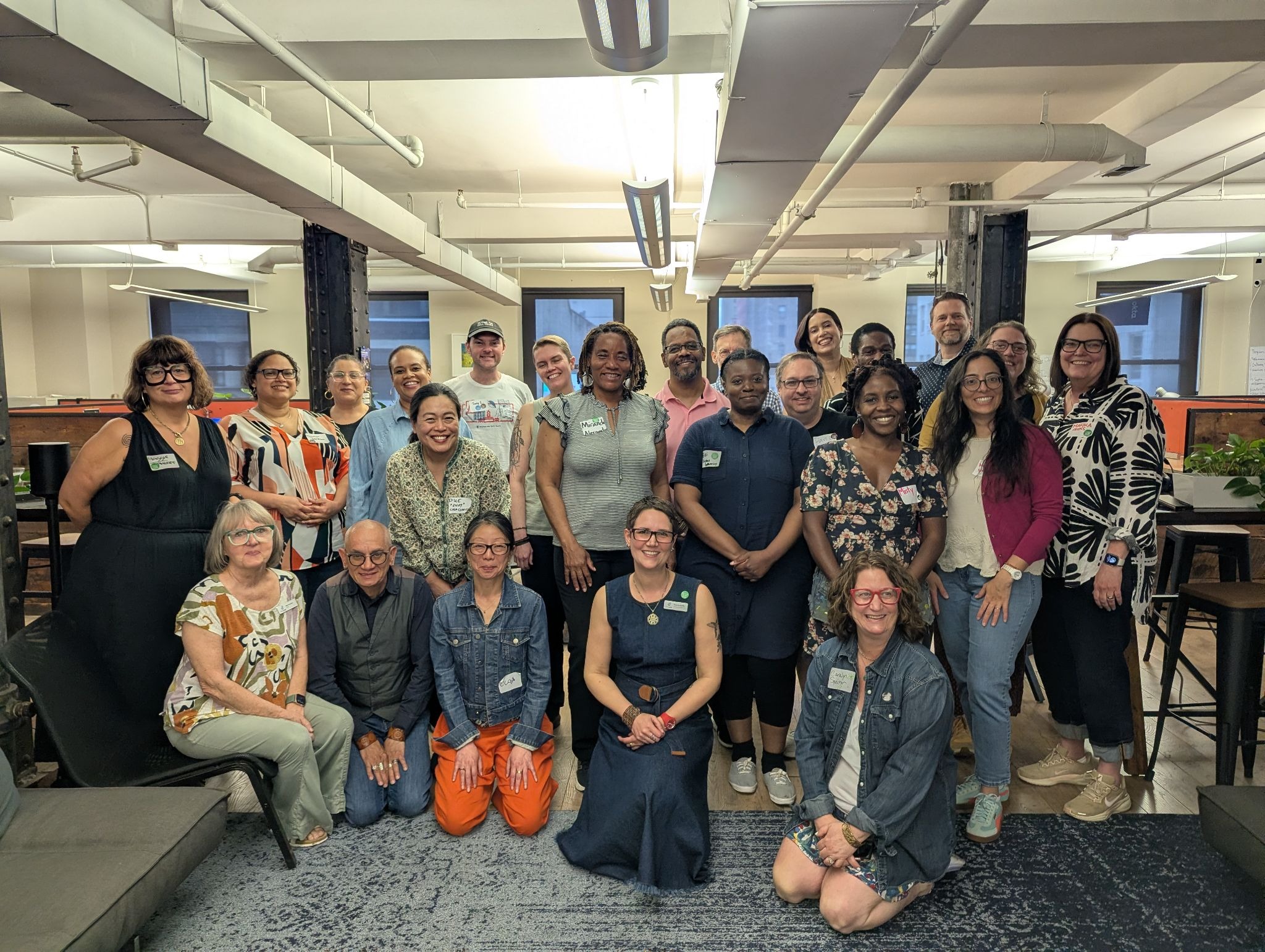
The question Shelton wants more cultural leaders to ask isn't whether fiscal sponsorship is universally better. It is simpler: Have you actually examined which structure makes the most sense for the work you're trying to do?
She sees organizations wrestling with sustainability, considering mergers and cooperatives, or sometimes approaching CultureWorks only after serious problems have developed. “I want there to be a greater awareness that it's an option among several around how you can operate as a business,” she says. “I don't think enough people are aware of it.”
That need may be especially acute in a sector facing continued financial pressure. Philadelphia's FY26
budget provided $5 million to the Philadelphia Cultural Fund, but PCF is confronting a reduced City funding of $3.5 million for 2027. CultureWorks provides fiscal sponsorship for numerous PCF-funded organizations and Shelton has been discussing with PCF Executive Director Gabriela Sanchez how more organizations might be exposed to alternative operating models.
The idea can also accommodate hybrids. A for-profit enterprise developing charitable educational programming, for example, doesn't necessarily need to create a second independent nonprofit. CultureWorks can provide a fiscally sponsored charitable arm while the business continues operating separately. “It's a place for experimentation,” Shelton says.
From Shared Services to Shared Community
But the administrative efficiencies may be only half of Shelton's argument.
Put 90 organizations into a common administrative structure and 240 people into a common physical community, and something else becomes possible: a network.
Some of that happens accidentally. People meet over coffee, pick up their mail, work alongside one another and discover that the person sitting nearby has expertise or connections they need. Other connections are deliberately engineered. CultureWorks' Third Thursday gatherings have brought cultural leaders and funders together for discussions, professional development and networking. One recent mentorship mixer paired cultural workers with experienced professionals in a speed-dating-style format.
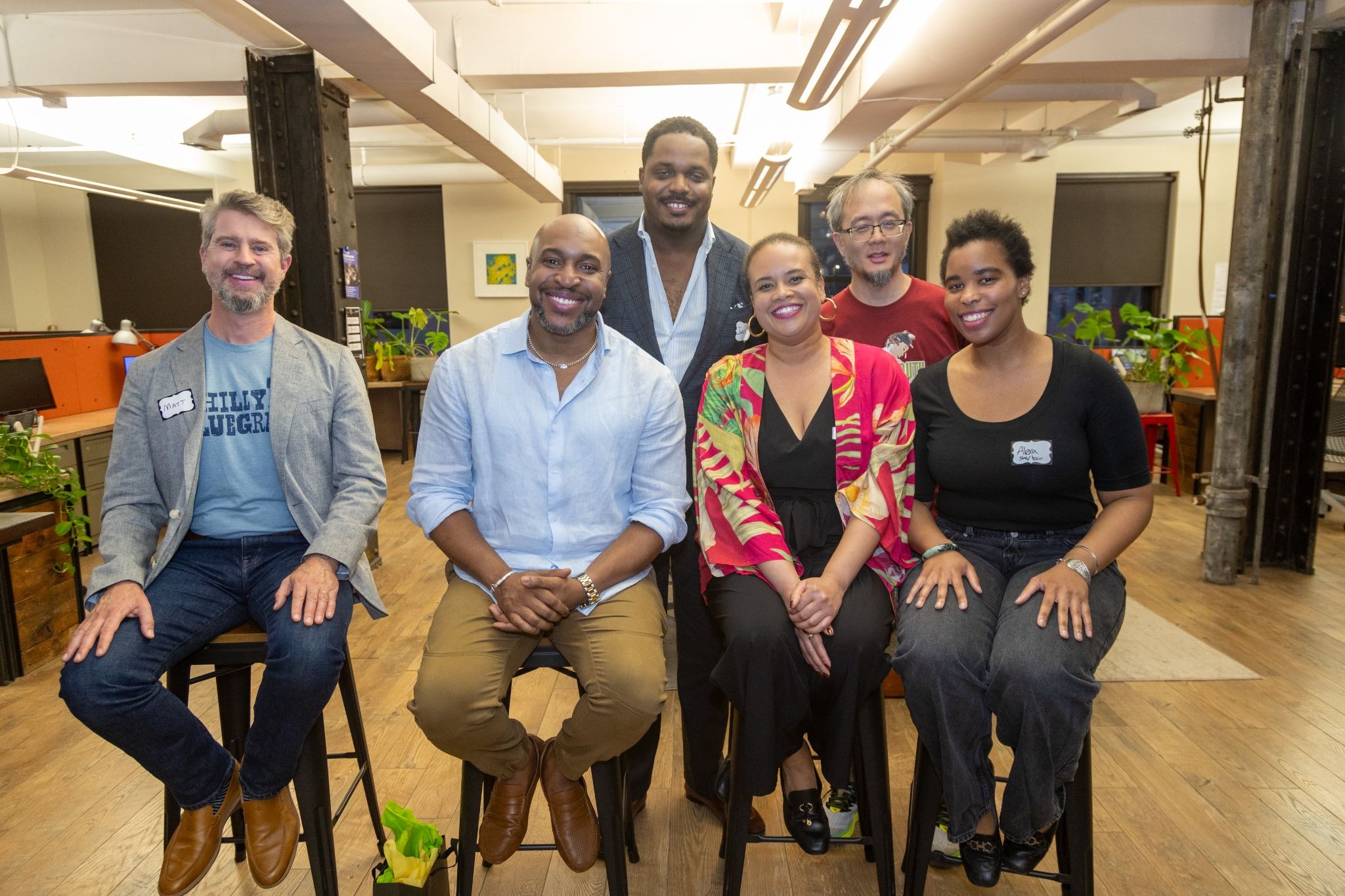
Shelton is now trying to make those relationships easier to activate. New staff members are developing better ways for members to locate expertise within the network; the CultureWorks equivalent of a community bulletin board. Someone needs a grant writer. Someone else needs a photographer, accountant, designer or consultant. Very often, Shelton says, somebody in the community already knows the person they need.
That changes the equation. What begins as an arrangement for sharing bookkeeping and nonprofit status starts looking more like cultural infrastructure.
It also puts CultureWorks within a larger movement Shelton sees developing across Philadelphia. The Nonprofit Repositioning Fund, which supports organizations considering sustained collaborations, shared back-office functions, mergers and other structural changes, now works from CultureWorks' space. Shelton points to projects such as Scout's redevelopment of the former University of the Arts buildings and to other collective efforts around the city as evidence of an increasing willingness to think beyond organizational silos.
A Model Under New Scrutiny
Ironically, just as Shelton is trying to make fiscal sponsorship better understood, Washington is paying more attention to it as well. Proposed federal legislation would require substantially greater reporting about fiscally sponsored projects and impose penalties when sponsors fail to maintain legally required discretion and control over charitable funds. Supporters describe the legislation as a transparency measure; organizations including the National Council of Nonprofits have argued that its requirements and penalties could discourage legitimate fiscal sponsorship. The bill has not become law. Separately, Treasury and the IRS have placed new Form 990 reporting guidance for fiscal-sponsorship arrangements on their regulatory agenda. RegInfo.gov
Shelton doesn't reject the underlying idea of greater professionalism and accountability. “I would love that,” she says of increased regulation. “I think that needs to occur.”
For an organization whose entire proposition rests upon taking administrative responsibility seriously, that position makes sense. Fiscal sponsorship isn't simply lending another organization a tax-exempt number. The sponsor assumes genuine financial, legal and governance obligations—a point emphasized in national best-practice guidelines for the field. National Network of Fiscal Sponsors
Shelton recently returned from the National Network of Fiscal Sponsors conference in Detroit, where she facilitated a session on fiscal sponsors in the arts. She came back inspired by organizations operating shared models at a much larger scale, and imagining what Philadelphia might build next.
The Infrastructure Between People
Yet for all the discussion of organizational structures, Shelton ultimately comes back to something considerably less technical.
She talks about the conversations she watches happen at CultureWorks every day…the planned ones and the accidental ones. She talks about mentors who shaped her as a young musician in Detroit, and about the influence one person can have by connecting another person to knowledge, resources or opportunity. She talks about a cultural community whose work is often much more humane and collaborative than the society portrayed back to us through our most contentious media.
CultureWorks even defines culture broadly enough to include organizations such as the Initiative for Better Gun Violence Reporting, because, Shelton says, culture encompasses the systems, processes and people that shape how communities understand themselves. That may ultimately be the most compelling version of Shelton's orchestral metaphor. The value of an orchestra isn't simply that 80 musicians can share an accounting department. It is that the infrastructure makes it possible for 80 people to do something together that none could do alone.
For Shelton, a healthier cultural ecosystem might operate much the same way: preserve the distinctive voices, ambitions and creativity of individual artists and organizations, while building stronger structures underneath them and more connections among them.
“There are a million conversations that have occurred without me being aware,” she says of the CultureWorks community. Maybe that's the point. The strongest infrastructure eventually becomes almost invisible. It gives people somewhere to stand, someone to call and other people with whom to build—and then gets out of the way while they create.
CultureWorks Greater Philadelphia
Want to stay in the know about Philly’s visual arts scene? We’re developing a semi-regular Art & Image Newsletter - featuring interviews, articles, and reviews straight to your inbox!