Using Art to Build Collective Resilience
Da Vinci Art Alliance at 95
.jpeg)
Interview by Pete Sparber
When I last spoke with Sam Connors, Executive Director of Da Vinci Art Alliance, the organization was navigating a difficult period.
Like many artist-run and community-centered organizations, Da Vinci was facing rising operational pressures, changing funding patterns, and the broader challenge of sustaining ambitious programming within an increasingly strained cultural economy.
Today, however, the atmosphere feels markedly different.
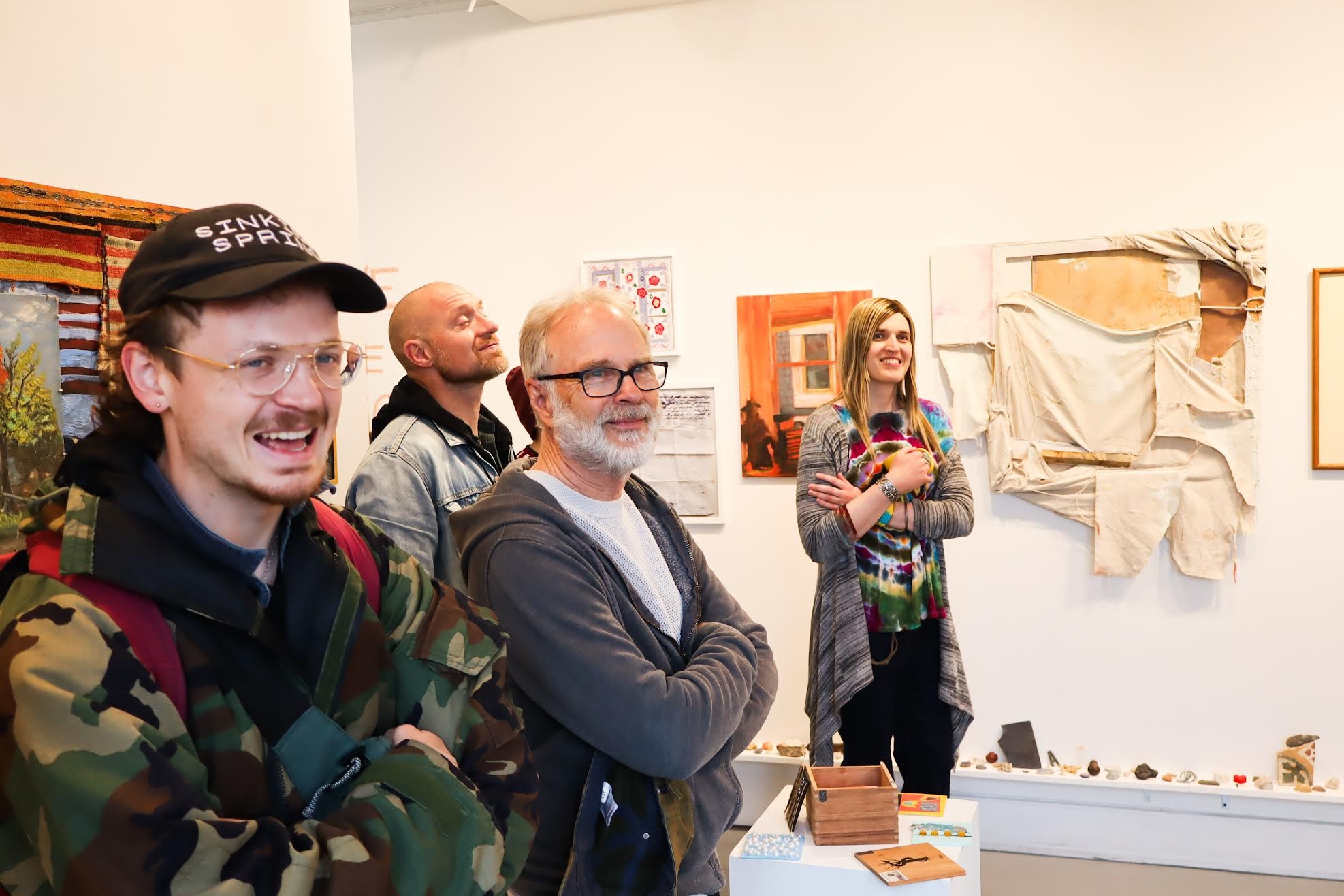
During a recent visit to Da Vinci for an artist talk, the galleries were active, the programming calendar full, and the organization visibly engaged with both its membership and surrounding community. Entering its 95th year, Da Vinci appears not simply to have endured a challenging period, but to have evolved through it.
For Connors, that evolution has involved rethinking not only finances and programming, but the very structure of sustainability within the collective. “We function differently than a lot of nonprofits,” Connors explained. “We’re still fundamentally an artist collective. The board, the membership, and the staff are interconnected. The organization exists to support artists, but the artists also sustain the organization.”
That reciprocal culture became especially visible during a recent fundraising campaign. “What really struck me was how much the membership stepped up,” Connors said. “People organized raffles, reached out to supporters, donated work, spread the word … everyone found ways to contribute.” Rather than relying primarily on a small number of major donors, Da Vinci has built a broad base of smaller, recurring support. “What sustains us is a community of people who genuinely care about our mission.”
That sense of collective ownership has also informed Da Vinci’s operational changes over the past year. The organization adjusted public hours, refined programming priorities, reconsidered how space usage was managed, and adopted what Connors describes as a healthier and more sustainable operating rhythm. “One of the biggest lessons was learning to be more intentional,” she said. “Not every good idea has to become a program immediately. We had to get clearer about where our energy was most effective.” At the same time, Connors emphasized that Da Vinci never lost sight of its core mission: “using art to build collective resilience.”
That mission extends beyond exhibitions alone. Alongside gallery programming, Da Vinci continues to offer professional development workshops, collaborative projects, artist markets, and community-centered initiatives that connect artists with neighborhoods and audiences across the city.
One ongoing program, Creative Convos, focuses on practical issues facing working artists; networking, sustainability and professional development. “We’re trying to support artists not just creatively, but practically,” Connors said. “A lot of artists are figuring out how to sustain a practice while also navigating economic uncertainty.”
Another initiative, Da Vinci’s Collective Markets series, brings artist-centered night markets and public programming into commercial corridors and neighborhood spaces across Philadelphia. The goal, Connors explained, is not simply to host events, but to create welcoming, active environments that encourage people to engage with neighborhoods, businesses, and one another. “When people gather in these spaces … when there’s music, artists, food, activity … it changes how they experience the neighborhood,” she said. “People discover businesses they hadn’t visited before. They start to feel connected to the space.”
The evolving approaches to participation, accessibility, and public engagement reflect an underlying philosophy of how Da Vinci approaches its role within the city’s cultural ecosystem. “We’re constantly adapting,” Connors said. “If something no longer works, we rethink it. If audiences change, we change with them.”
One example is a new artist shop initiative featuring smaller works and artist-made objects; a response both to changing audience behavior and to the realities many artists face economically. “We’ve seen that people still want to support artists and leave with something meaningful,” Connors noted. “But maybe now that looks different than it did five years ago.”
Connors also spoke candidly about the importance of leadership sustainability … not only structurally, but personally. “One thing I’ve learned is that you have to build relationships that allow people to support one another,” she said. “That includes staff culture.” She credits much of Da Vinci’s recent momentum to a strong staff team whose skills complement one another while also creating a healthy day-to-day environment within the organization. “There’s a real sense that we’re all working together toward the same goals,” she said. “That makes an enormous difference.”
That collaborative spirit extends well beyond Da Vinci itself. Connors is one of the organizers behind Collective Futures, a citywide initiative involving more than 45 artist collectives across Philadelphia. Launching this fall, the project will include exhibitions, performances, installations, screenings, and public programming across multiple venues throughout the city. “We realized there were all these incredible collective spaces doing important work, but not always being included in the high visibility civic conversations,” Connors said. “So we decided to create something together.” Da Vinci is serving as one of the project’s primary organizational and fiscal partners.
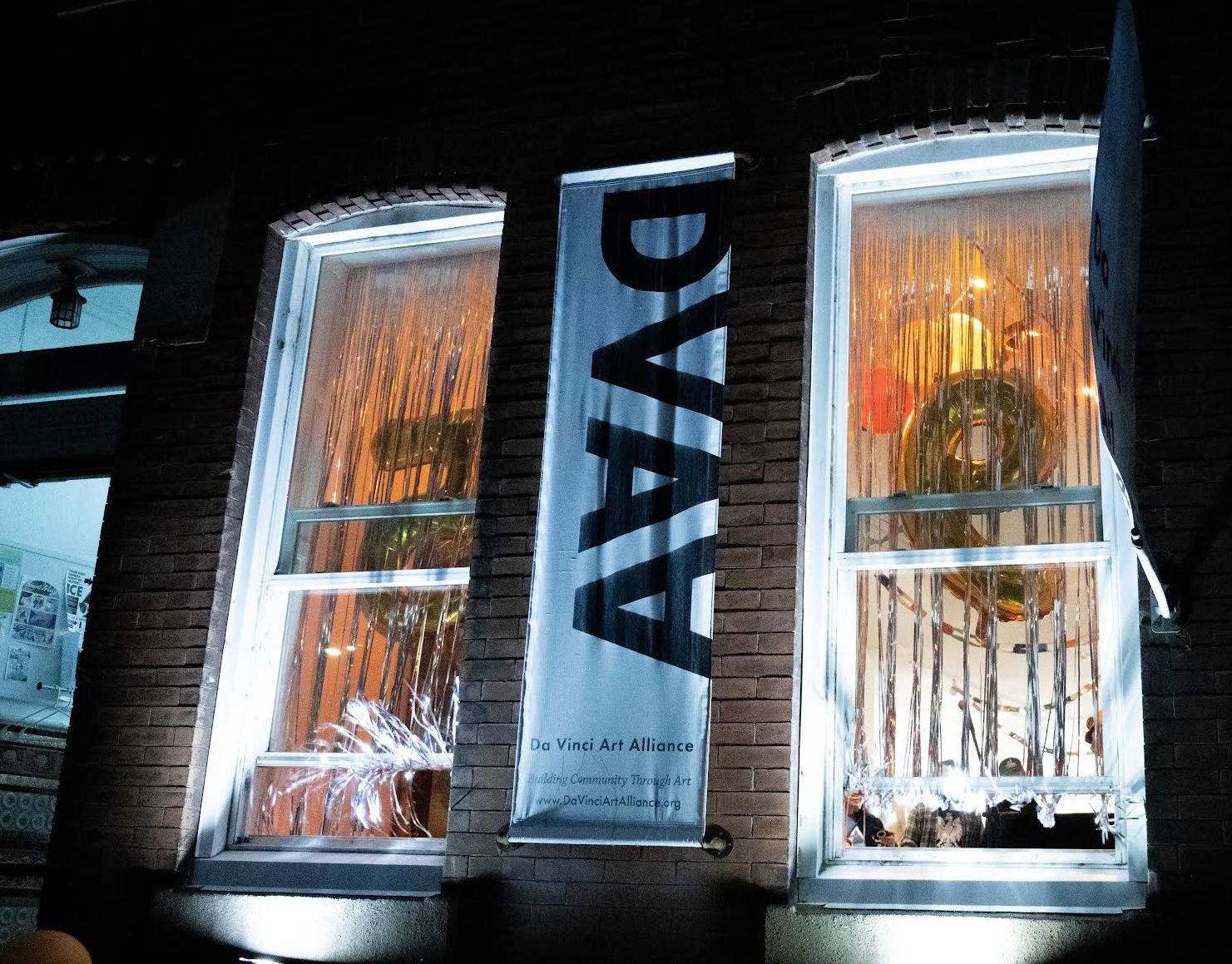
For Connors, initiatives like Collective Futures represent something larger than programming alone. They reflect a growing recognition that artist-run spaces play a critical role in Philadelphia’s cultural life, often through forms of labor and community engagement that remain largely invisible. “There’s an enormous amount of work happening in these spaces,” she said. “Artists and organizers are building community, creating opportunities, teaching, mentoring, installing exhibitions, maintaining spaces…all while continuing their own creative practices.” And despite the pressures facing many arts organizations, Connors remains hopeful about the future of collective cultural work in Philadelphia.
When she began her tenure at Da Vinci, the organization had roughly 75 members. Today membership has grown to more than 300. For her, that growth signals something important. “People still want spaces where they can gather, collaborate, and support one another,” she said. “That need hasn’t gone away.”
As Da Vinci enters its 95th year, the organization appears to be embracing a clearer and more sustainable version of itself; one grounded not only in exhibitions and programming, but in the idea that resilience is something built collectively, through participation, adaptability, and mutual support.
Da Vinci Art Alliance offers artist memberships, exhibitions, workshops, public programs, and collaborative community initiatives throughout the year.