


By Simply Looking: The Art of Observation
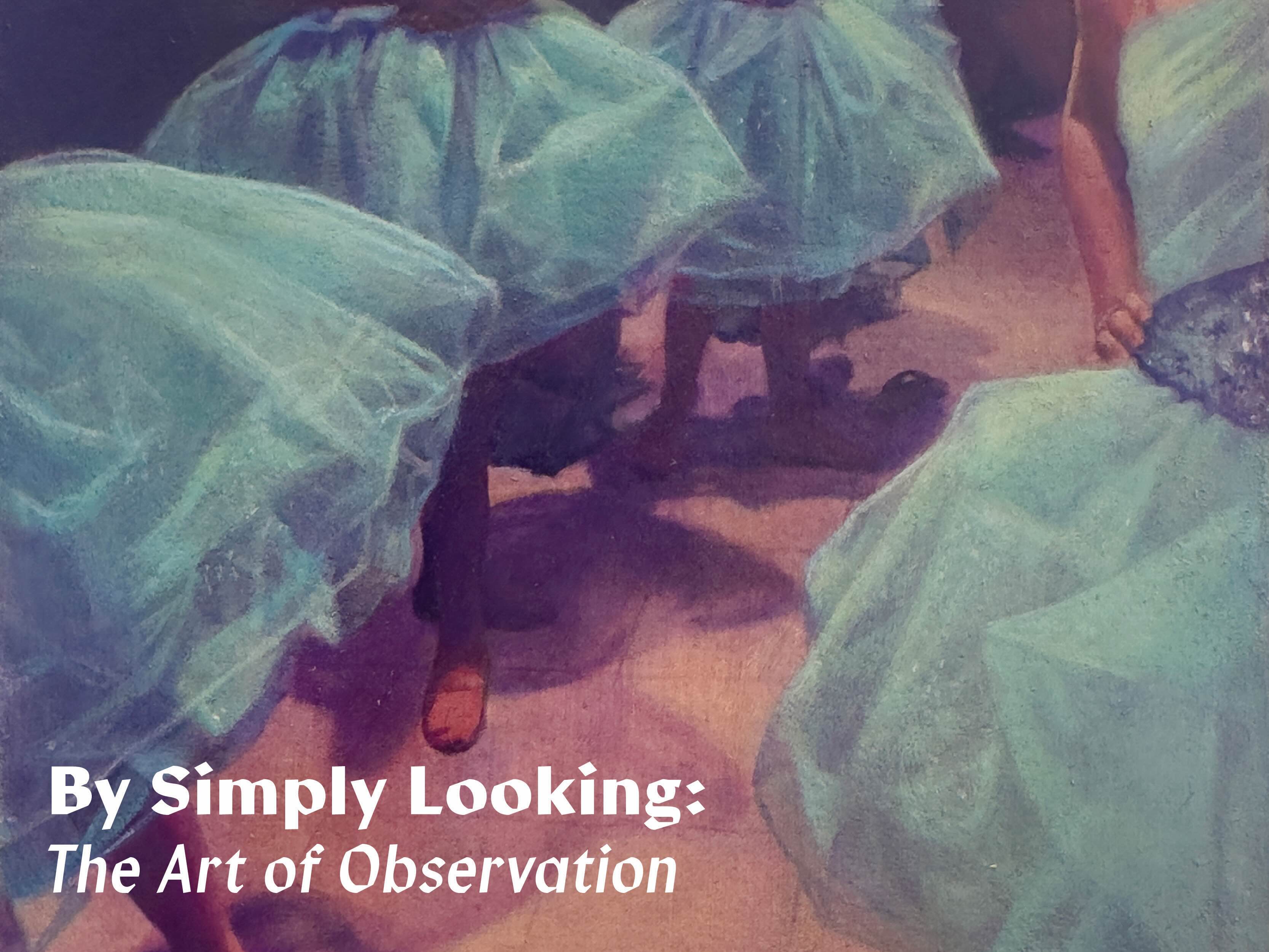
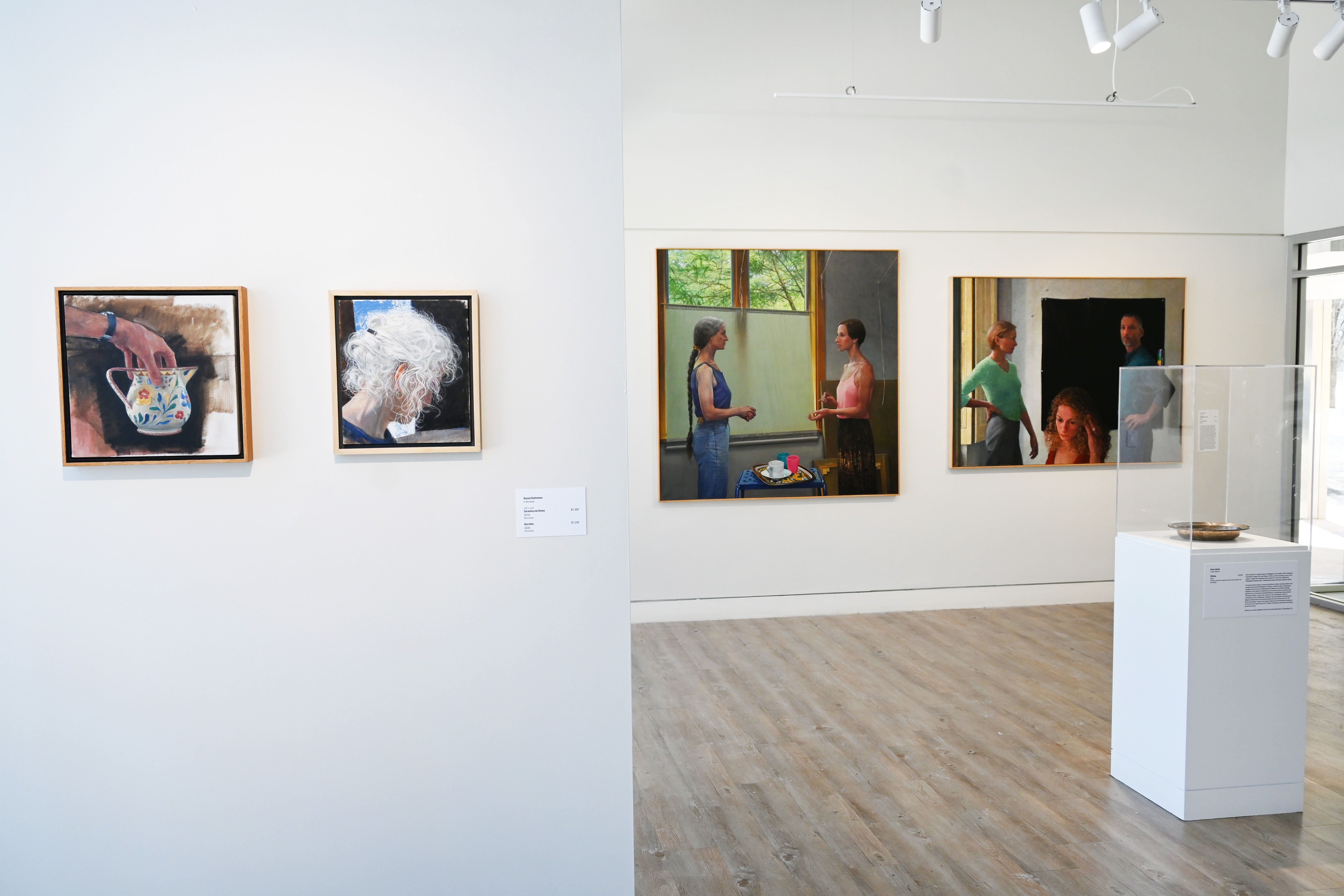
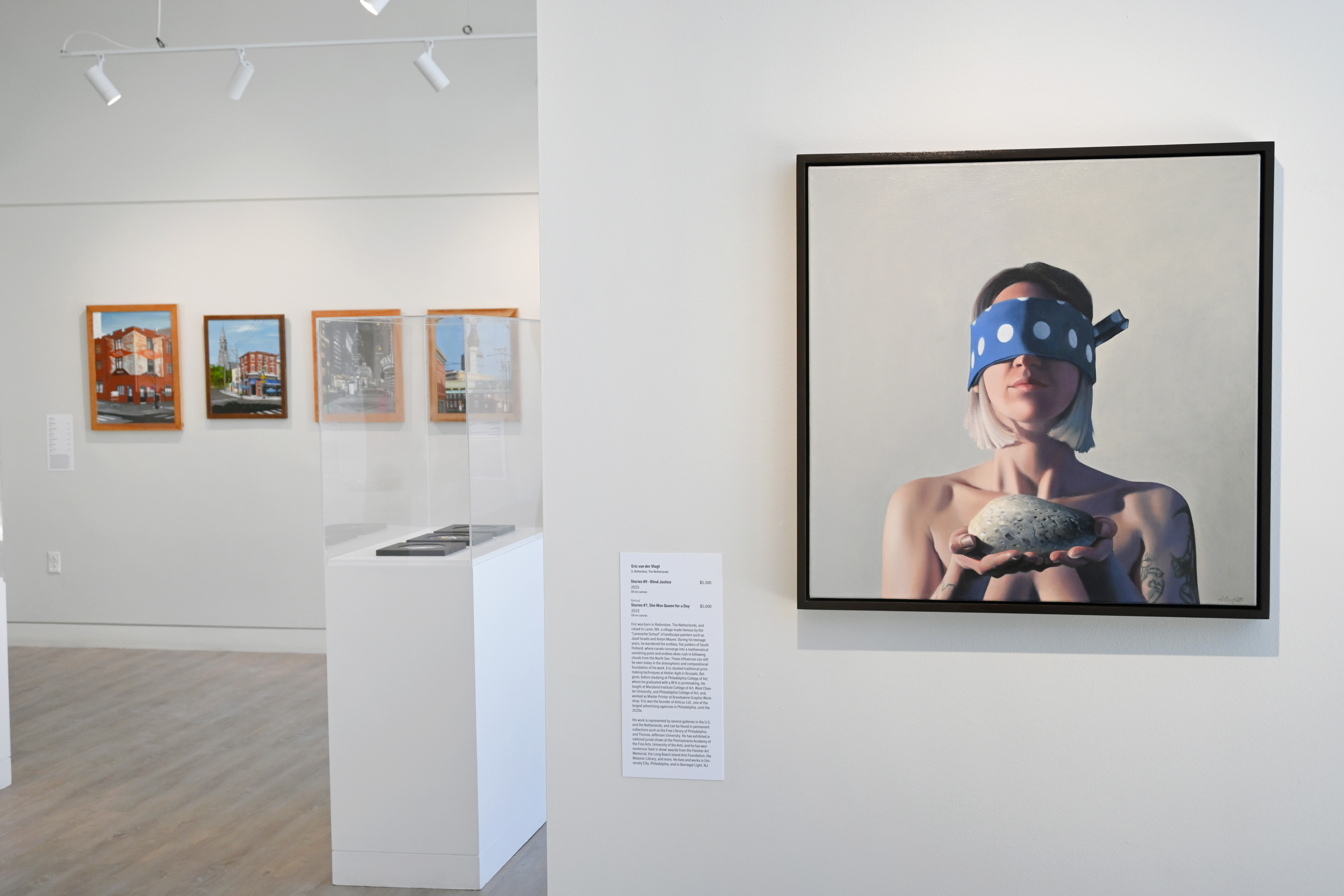
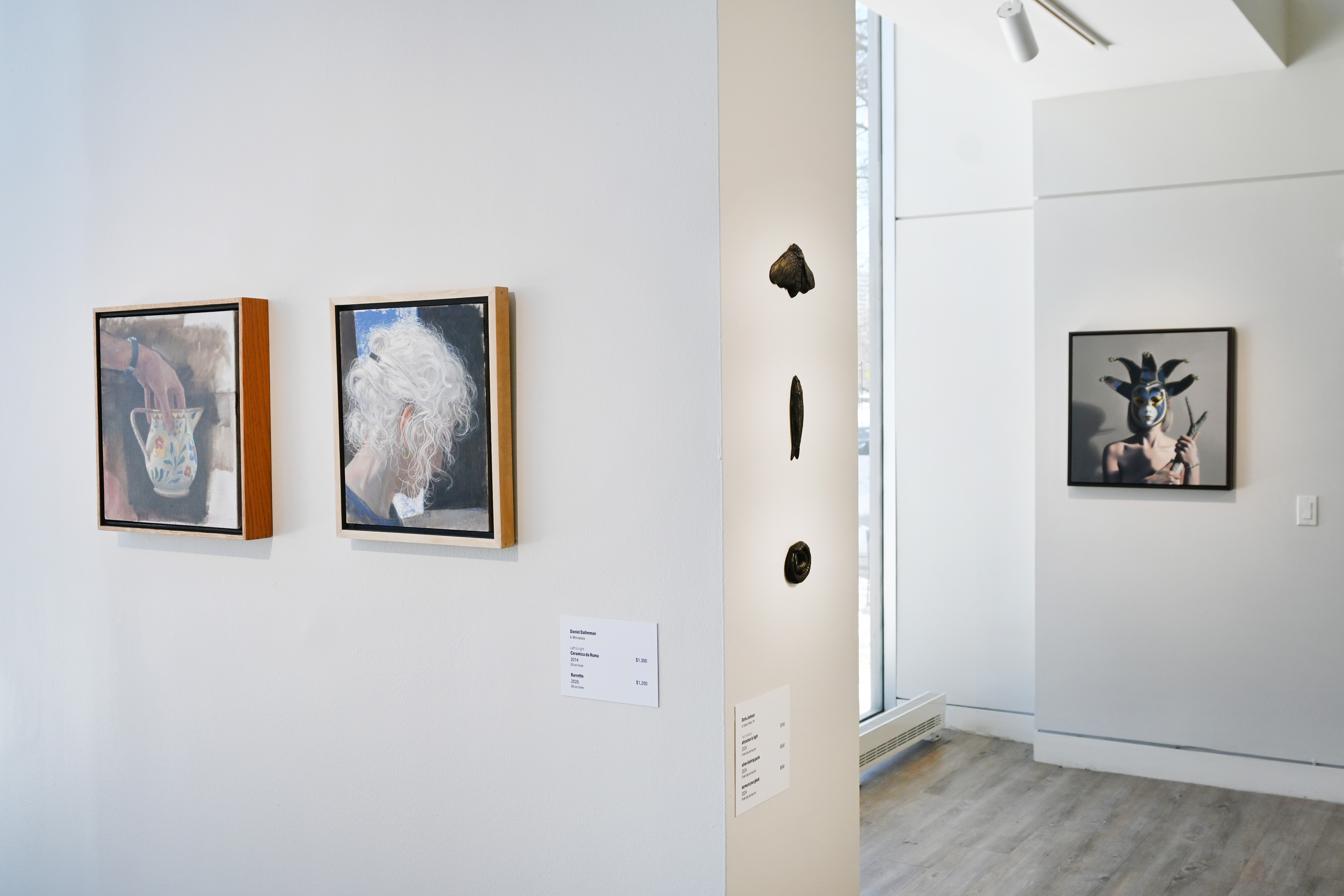
By Simply Looking: The Art of Observation delves into the accuracy of detail and the depiction of the mundane for what it is: raw, frank, and ultimately human. These artists take the practice of observing their subjects seriously, capturing every nuance with unflinching precision. From traditional realism, superrealism, photorealism, and hyperrealism, these artists tell it how it is.
Realism has taken many shapes throughout the history of art, from Caravaggio's departure from beauty to separate himself from Romanticism, to the replication of photography through alternative mediums, and the vivid reinterpretation of reality in hyperrealism. There is a constant evolution of what is perceived as real in art.
In a time when the use of technology and AI blurs the lines between what is real and what is engineered, finding reality through an artist's lens might be the answer. Ten artists share their work on realism in "By Simply Looking: The Art of Observation."
Showcasing InLiquid members and exploring realism in all its movements, By Simply Looking: The Art of Observation delves into the accuracy of detail and the depiction of the mundane for what it is: raw, frank, and ultimately human. These artists take the practice of observing their subjects seriously, capturing every nuance with unflinching precision. From traditional realism, superrealism, photorealism, and hyperrealism, these artists tell it how it is.
Jean Broden
b. Philadelphia, PA,
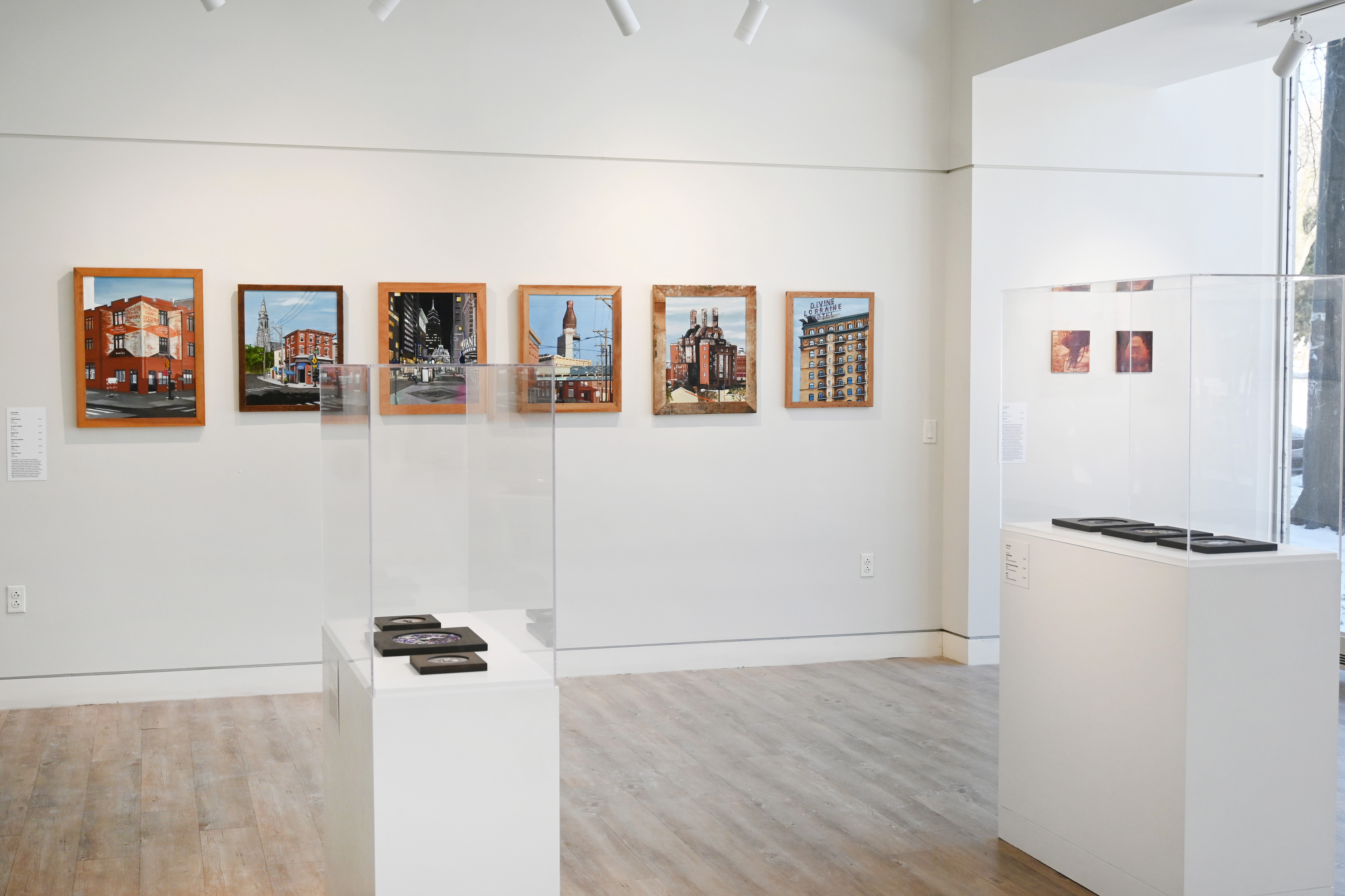
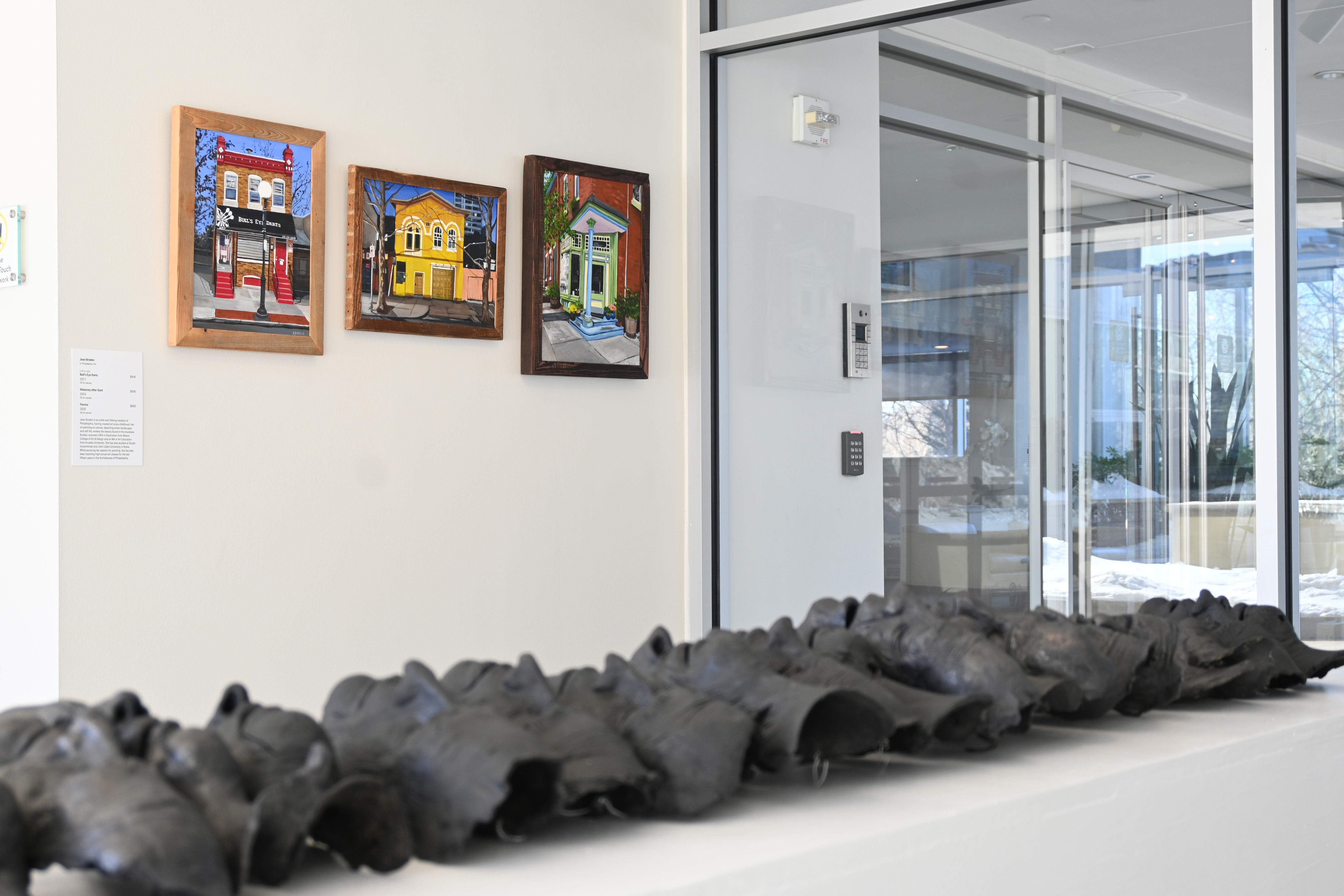
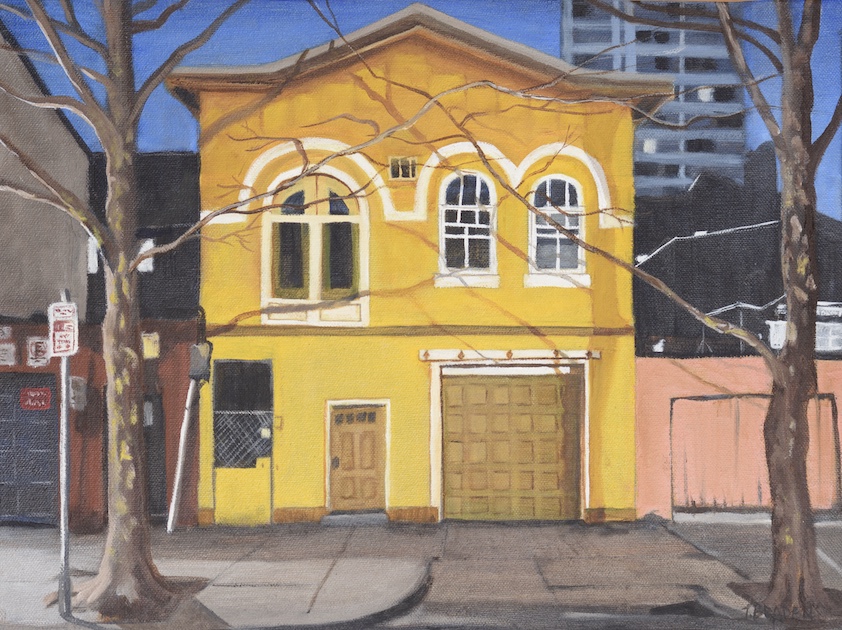
Jean Broden is an artist and lifelong resident of Philadelphia who has been creating art since childhood. Her oil painting on canvas devpicting urban landscapes and still life evoque the beauty found in the mundane. Broden received a BFA from Moore College of Art & Design in Illustration, and a MA in Art Education from Arcadia University. She has also studied at Studio Incamminati and John Cabot University in Rome. While pursuing her passion for painting, she has also been teaching high school art classes for the last fifteen years in the Archdiocese of Philadelphia.
Statement
“I paint a variety of subjects, but they generally revolve around a similar theme of treasured memories. First, and foremost, I love to paint old places and things, many from my own family’s past. For me, the idea that an object or place has had a past life has always intrigued and delighted me. Most of my paintings are of places I visit or live near. They are places I find inspiring and beautiful, not generally because they have grand splendor or historical importance, but because they were useful or fanciful in a modest way. And much more importantly, I am drawn to the stories attached to them. The history, not so much of the architecture, but of the people who have come and gone from them; the moments experienced there. When I speak with people about my images, I am awed by the variety of stories they have to tell; moments from their lives that may have been fleeting, or integral for years. Standing in front of the scenes brings them back to a specific time, place and feeling. Some stories are happy, some are bittersweet or downright heartbreaking. But we get to experience them together as they speak, and there is a comfort in that sharing, both for the viewer, and for me.”
.jpeg)
Daniel Dallmann
b. Minnesota
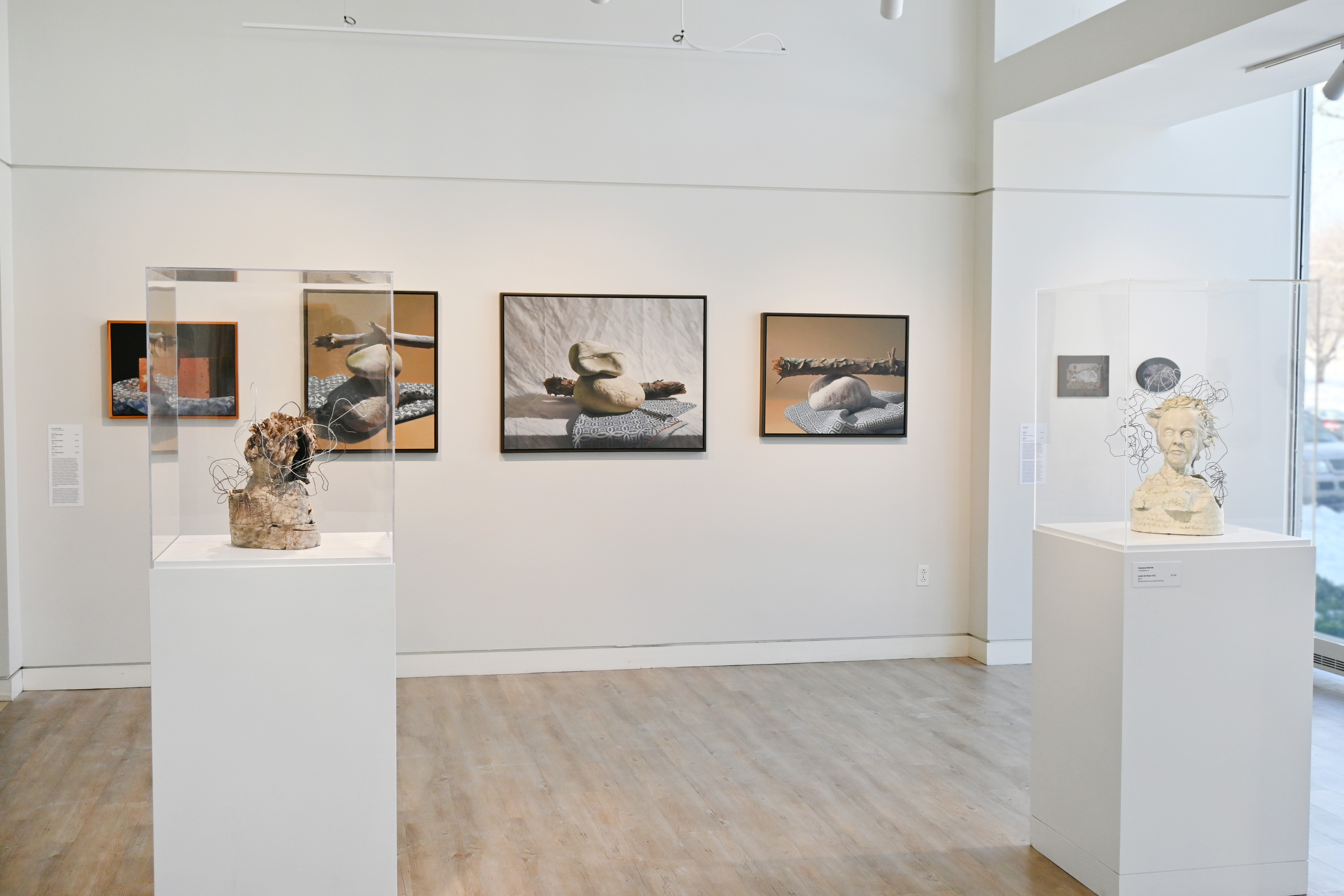
Living and maintaining a studio in Philadelphia, PA, Daniel Dallmann has spent about 50 years making paintings, prints and drawings. For the first 40 of those years, he also taught these subjects at the Tyler School of Art. He grew up with art, and books, in the house: his father was a professional sculptor and his mother was a part time painter. His work is greatly inspired by Rodin, Velasquez, Giotto and Caravaggio. He received his BSc Degree from the State University, St. Cloud, Minnesota and his MFA from the University of Iowa. Dallmann first exhibited his paintings and original prints in the early 1970's and since that time galleries and institutions have conducted solo exhibitions of his art in Louisville, KY, Charlotte, NC, Seattle, Omaha, NE, Miami, Chicago and New York. Examples of Daniel Dallmann's original art are now housed in such major collections as the Art Institute of Chicago, the Cleveland Museum of Art, the National Museum of American Art, Washington, DC, Yale University, Smith College of Art, Northampton, MA, AT&T, Chicago, Gallerie Claude Bernard, Paris, France, Citybank, New York, and Price, Waterhouse, Philadelphia.
Statement
“My life and my perceptions are the subjective drivers for the pictures I make. Making a painting is, for me, an exploratory process toward understanding, not an expository declaration of a position already held. Thus, I don’t make pictures with a specific content in mind. I distrust intentions; mine more than anyone else’s. Far more important is the subjective content that is revealed regardless of one’s intentions. I have said that I start pictures with a hunch, just a positive feeling that a certain subject might be wonderful, or some composition interesting, or some quality of color special. (Maybe “wonderful,” “interesting” and “special” could be called the intentions?) For me the content is discovered during the process, maybe developed further, but it is seldom known at the beginning. There is a deep satisfaction when a picture is finished and at that point I usually understand what kind of statement I have made.”
.jpg)
Mary Henderson
b. Northridge, CA
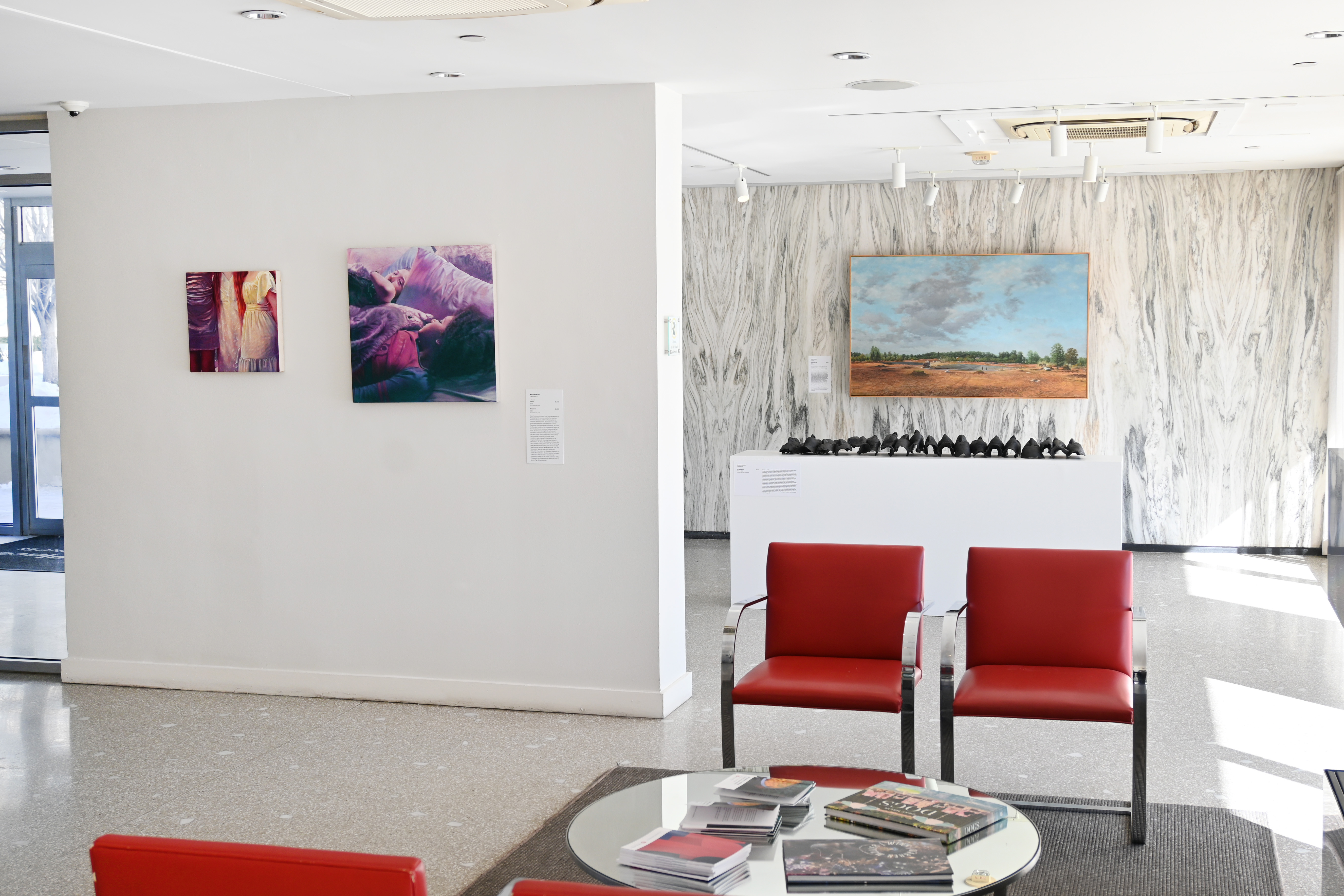
Mary Henderson is a visual artist living and working in Philadelphia. She received an AB in Fine Arts from Amherst College and an MFA in Painting from the University of Pennsylvania. She has been awarded grants and fellowships from the Pollock-Krasner Foundation, the Joseph Robert Foundation, the Center for Emerging Artists, and the Pennsylvania Council on the Arts; she has also completed residencies at Surf Point, Pouch Cove, Soaring Gardens, the Jentel Foundation, and the Hambidge Center, where she was the Nena Griffith Distinguished Fellow. Her work has been exhibited throughout the United States, including in solo shows at SPRING/BREAK in Los Angeles, the Center for Emerging Visual Artists in Philadelphia, PA; Marcia Wood Gallery in Atlanta, GA; and Lyons Wier Gallery in New York, NY. Her paintings have been featured in several publications including New American Paintings, Maake Magazine, Artsy, and Booooooom. Selected collections include the Rockefeller Foundation, the Muskegon Museum of Art, and the West Collection. She is an assistant professor in Arts and Communication at Bucks County Community College and the former co-director of the Philadelphia site of the nonprofit network of artist-run spaces, Tiger Strikes Asteroid.
Statement
"I came of age at a time when girls’ interests were routinely marginalized or denigrated, so it has been both inspiring to see their stories and tastes taking a central role in our culture and worrying to consider how precarious their gains in social status may be. The work in this series centers moments of both brashness and vulnerability in the everyday lives of adolescent girls that seem to embody these contradictions. The paintings are a diary of the sleepovers, ballet-carpool rides, friendship bracelets and choreographed dance routines that fill daily life with my daughter and her friends. They are also about motherhood and the sense of time travel, the split self, that I experience in their company: as I observe them in the rear-view mirror or from the bleachers, my own sense memories of braces, split ends and peeling nail polish are always present. Viewing my subjects through this openly maternal lens, I hope to reclaim a perspective that is sometimes dismissed as exploitative or overly sentimental.
My primary visual references come from an archive of personal iPhone snapshots, taken in collaboration with my subjects. The saturated and largely invented palette shifts the images away from a feeling of immediate perception and towards a more interior space informed by mood and memory. Because my work foregrounds the peripheral, the fleeting and the fragmentary, I often derive my images from low-resolution corners of larger reference photos. As a result, my painting process is highly interpolative, requiring that I incorporate extensive visual research and direct observation into my process in order to create a convincing final image. The intimate scale of my recent work, all of which is under 24 inches in its largest dimension, is a nod to the miniature painting tradition and its precious tokens of love and memorial; it is also a reflection of my ongoing interest in artwork that can’t be seen with a quick glance from across a room, and instead demands a viewer’s active participation – a decision to stop and look. "
.jpeg)
Darla Jackson
b. Upper Darby, PA
Darla Jackson is a sculptor living in Philadelphia. She received a BFA in Sculpture from Moore College of Art in 2003, and after receiving a John S. and James L. Knight Arts Challenge Grant in both 2011 and 2013, founded the Philadelphia Sculpture Gym, a membership-based community sculpture studio.
Her work has been shown in numerous exhibitions locally, including galleries and museums such as the Philadelphia Art Alliance, Seraphin Gallery, Pennsylvania Academy of the Fine Arts, the Woodmere Art Museum, and a Wind Challenge exhibition at the Fleisher Art Memorial, and across the country at museums and galleries such as the Norman Rockwell Museum in Stockbridge, Massachusetts, Thinkspace Gallery in Culver City, California, and the Delaware Center for Contemporary Arts in Wilmington, Delaware. She has exhibited internationally in Belgium and Germany and has lectured about her work at venues such as The Barnes Foundation. Jackson has taught sculpture at the Pennsylvania Academy of the Fine Arts, the Tyler School of Art, Fleisher Art Memorial, and various workshops across the country.
Jackson is currently a Medallic Artist for the United States Mint in Philadelphia, PA.
Statement
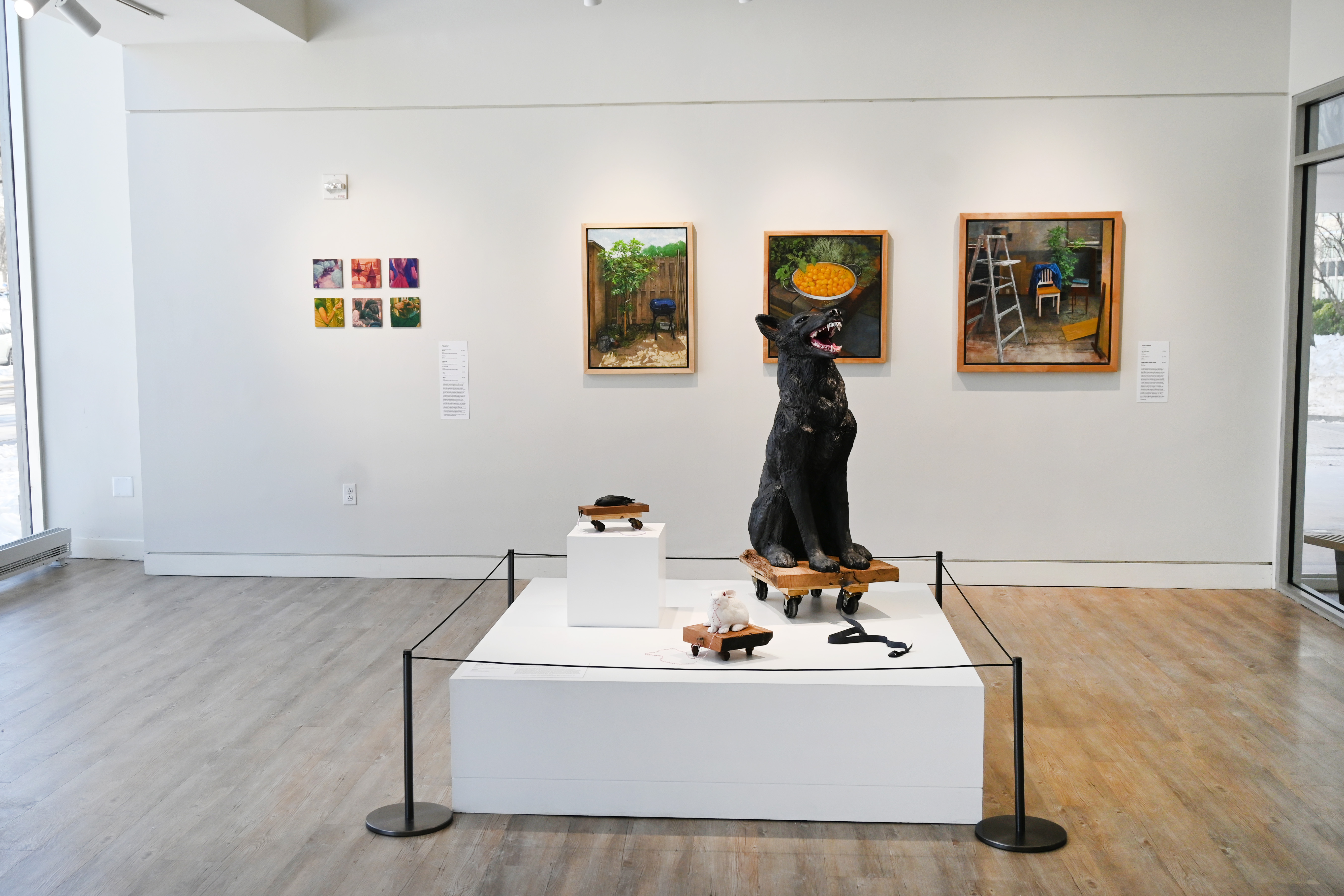
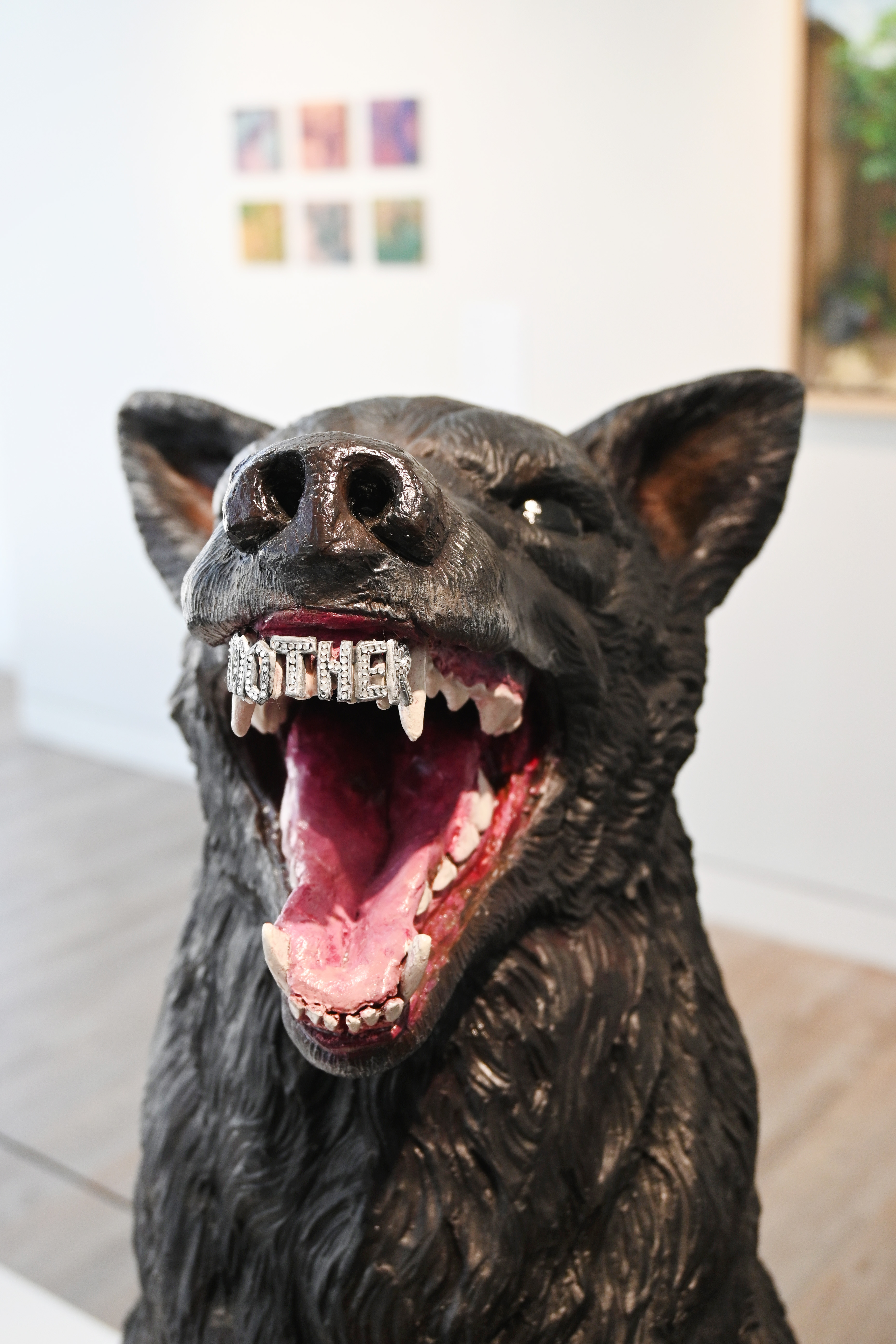
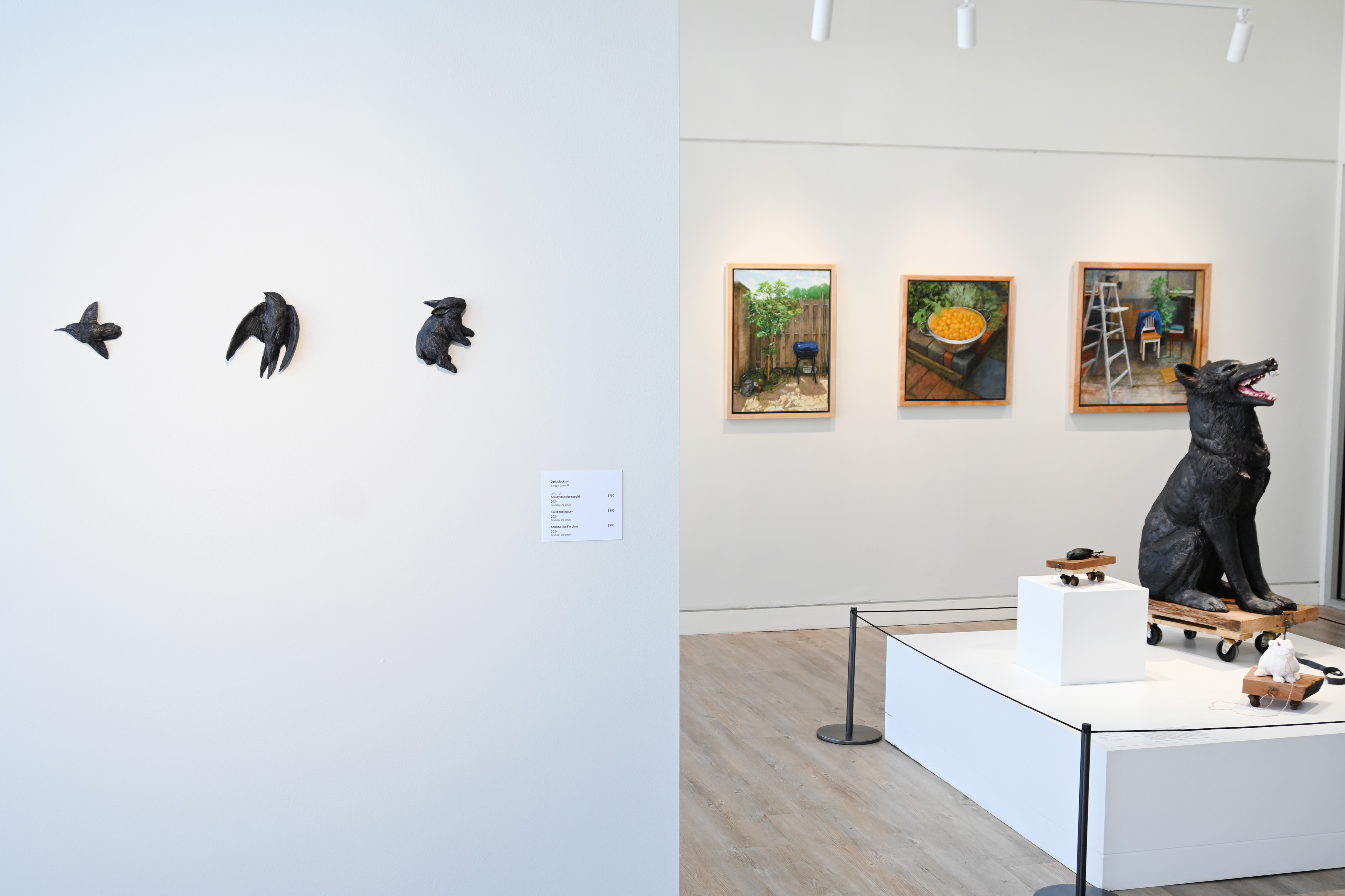
“My sculpture is an exploration of human emotions. In order to express these ideas, I use feelings that are turned into recognizable visual objects, or symbols, and combine them with other elements to create a duality. Through the anthropomorphism of animals, use of strong body language, and symbolism, I can convey these emotions and ideas in a way that is more approachable for viewers. The end result is familiarity with an oddness that makes it compelling.”
.jpg)
Constance McBride
b. Philadelphia, PA
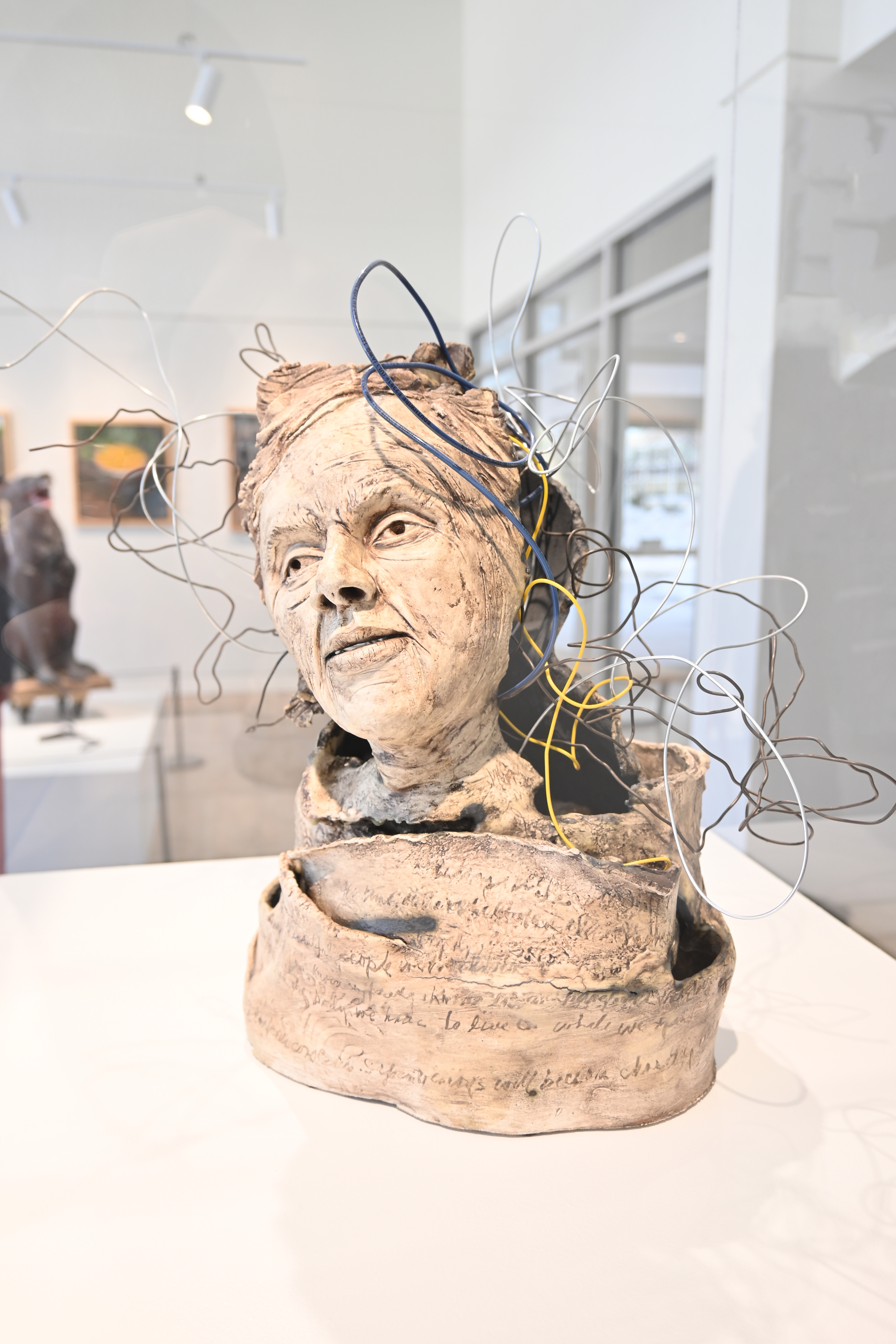
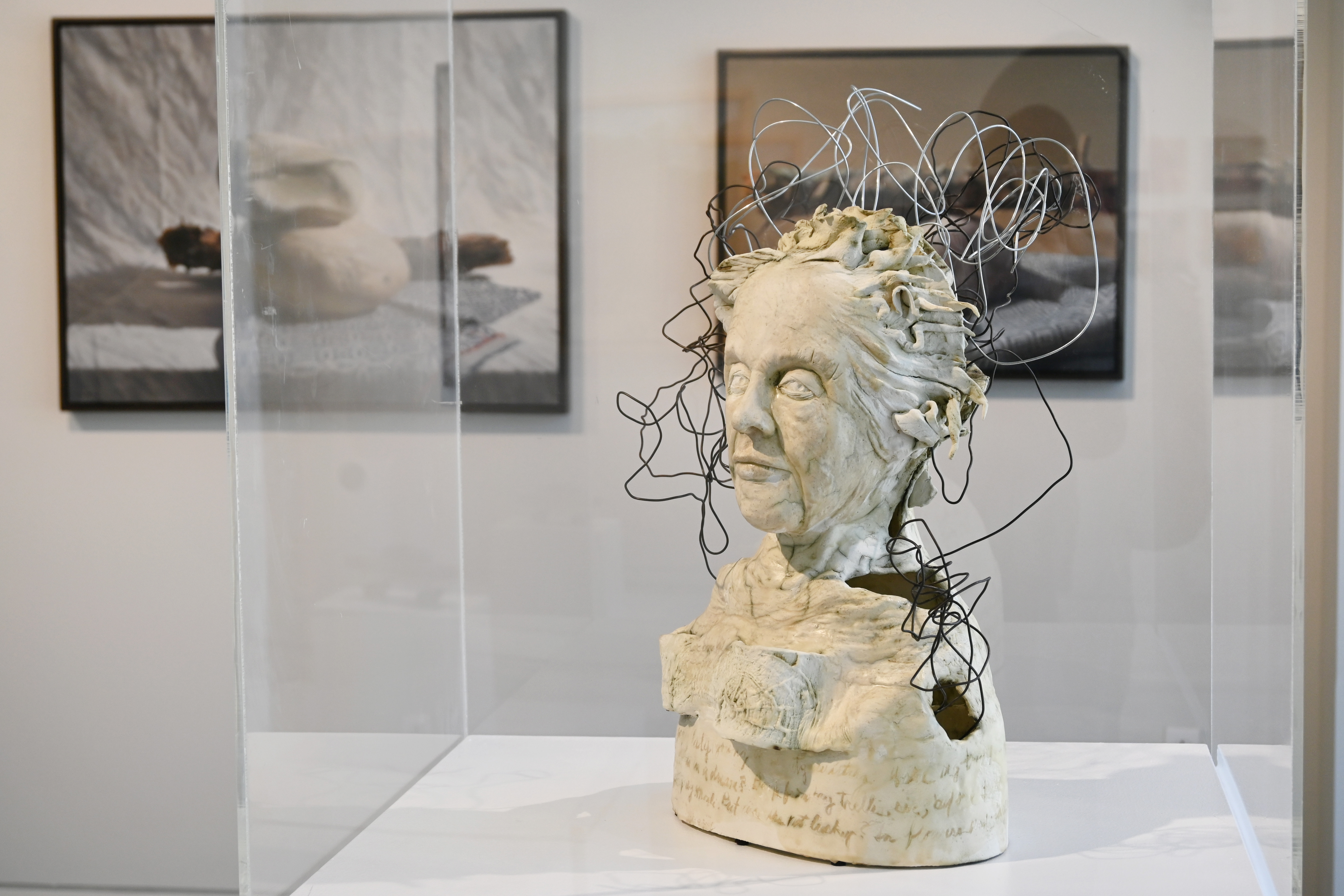
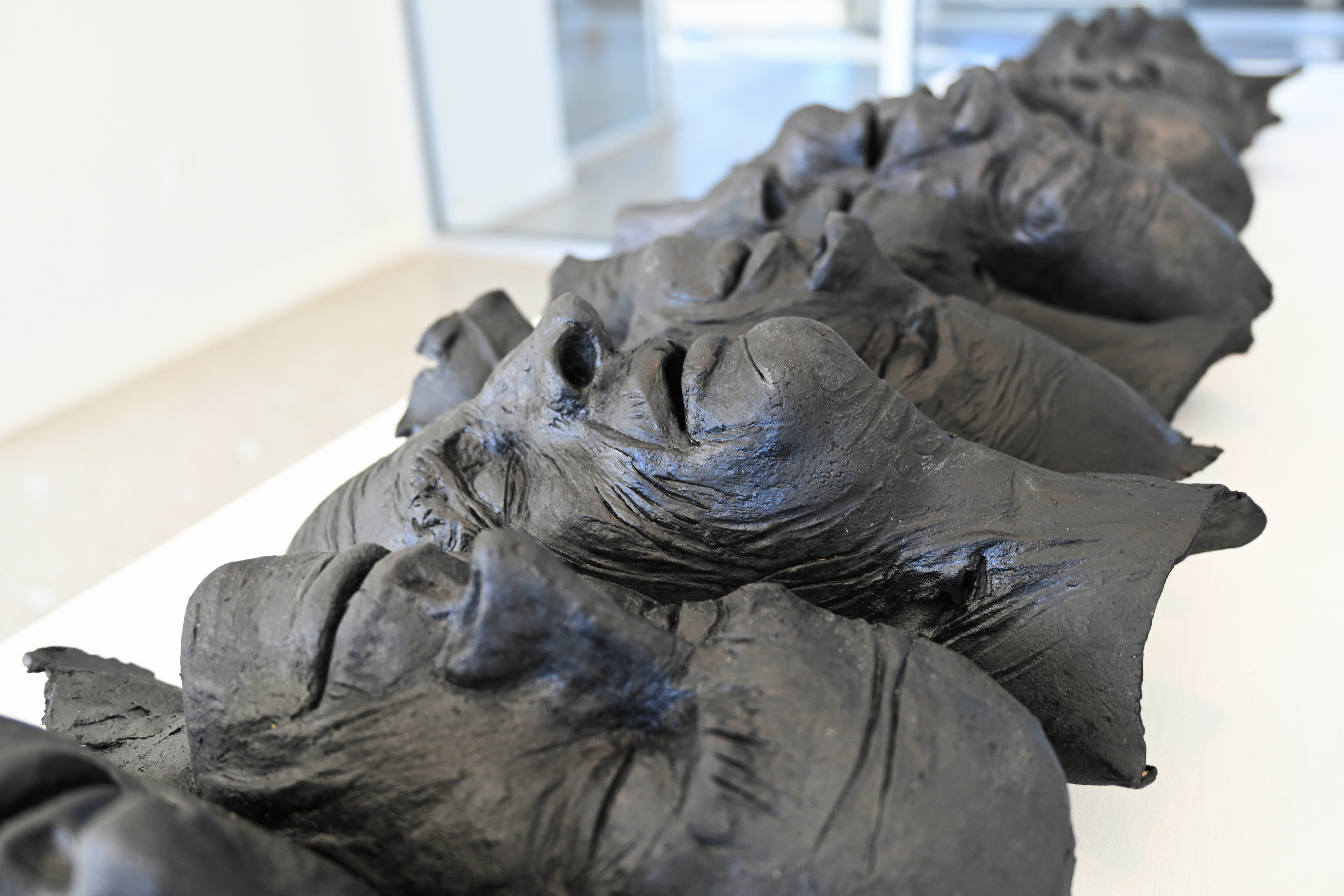
Constance McBride in a sculptor based in the Brandywine Valley of Chester County. Her work draws attention to gender-based issues using ceramic sculpture, installations, and collage, addressing difficult topics like ageism and mortality. She earned a Bachelor of Arts degree from Arcadia University, Glenside, PA. Notable solo exhibitions include The Melancholic Joy of Living at Chesapeake Gallery in Bel Air, MD, The Lonely Girls at Abington Art Center in Montgomery County, PA, From the Hearts of Stars at Phoenix Institute of Contemporary Art and The Presence of Absence at Eye Lounge Contemporary in Phoenix, AZ. Recent awards include the J. M. Dowling Award for sculpture by the Woodmere Art Museum, a Buffalo Creek Art Center Sculpture Residency (NV), a Chautauqua Visual Arts Residency (NY), and grants from The Puffin Foundation in Teaneck, NJ, and Philadelphia Sculptors. McBride's work has received attention both nationally and internationally with features in several publications, including Suboart Magazine in Portugal, Inspirational Art Magazine in the United Kindom, and Yahoo News in Cities Rising Series w/Katie Couric. Several of her pieces are featured in books like Paper Clay Art and Practice by Rosette Gault, and 101 Art Book: Nature Edition. Currently, she serves as a board member for The Hook Experiment in Oxford, PA, and teaches hand building at the Center for the Creative Arts in Yorklyn, DE.
Statement
“I've been working with clay since the late aughts. Living in the Southwest, where pottery traditions have lasted thousands of years, greatly influenced my approach to it. Inspired by nature's rhythms, the work reverently depicts the cycle of life, including its untidiness. I tend to throw light on issues experienced by women—harassment, marginalization, ageism, etc. Simultaneously, women struggle to remain relevant, take care of their health, and maintain financial stability. And like most women, I've had firsthand experience with a lot of it; from finding my way as a young single mother to having spent over a quarter century in the corporate world, to navigating the art world later in life. I'm interested in the recurring interplay between liberation and constraint, a tension that has been ongoing throughout time. Other themes central to my work are memory loss and melancholy. My ceramic figures are sculpted by hand. The entire process often takes from six to eight weeks to finish and forces me to slow down. As an avid meditator, the patience it requires, keeps me centered. At times I include bits of nature, found objects, fabric and wires. Each piece confronts the limitations of the everyday. In essence, I’m drawing from nature’s energy to create new spaces for regeneration.”
.jpg)
Emily Selvin
b. New Jersey
Emily Selvin has devoted her life to the arts. She studied Geo-Textile Engineering and Textile Design at the Philadelphia College of Textiles and Science. Following her studies in the sciences, she continued her education at the Pennsylvania Academy of the Fine Arts, studying printmaking and classical painting, and completed prize-winning explorations of mixed media. Since 1997, Emily has operated Selvin Glass, a full-service leaded glass restoration and commission-based architectural glass studio. Designers and architects have sought her work and restoration services internationally.
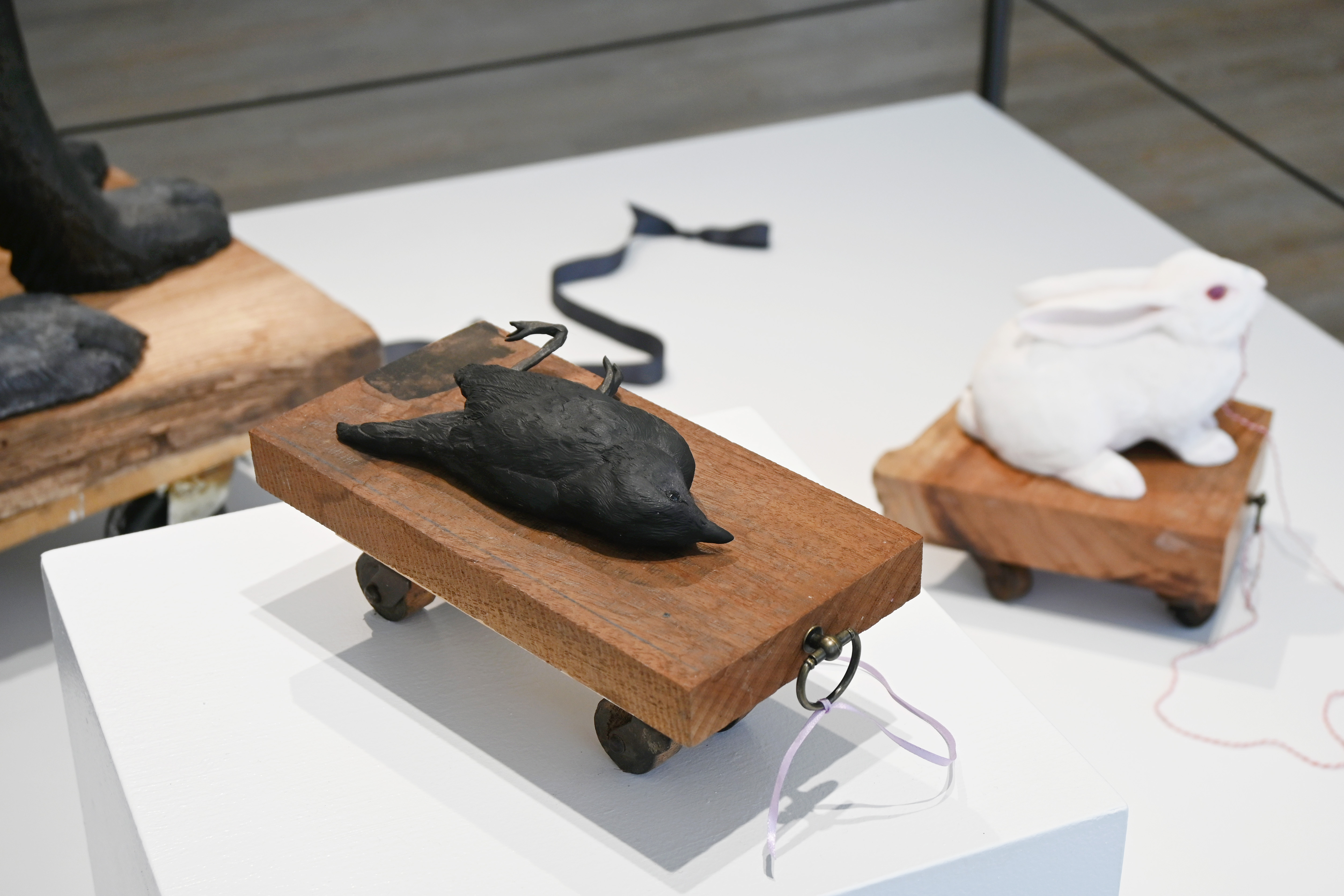
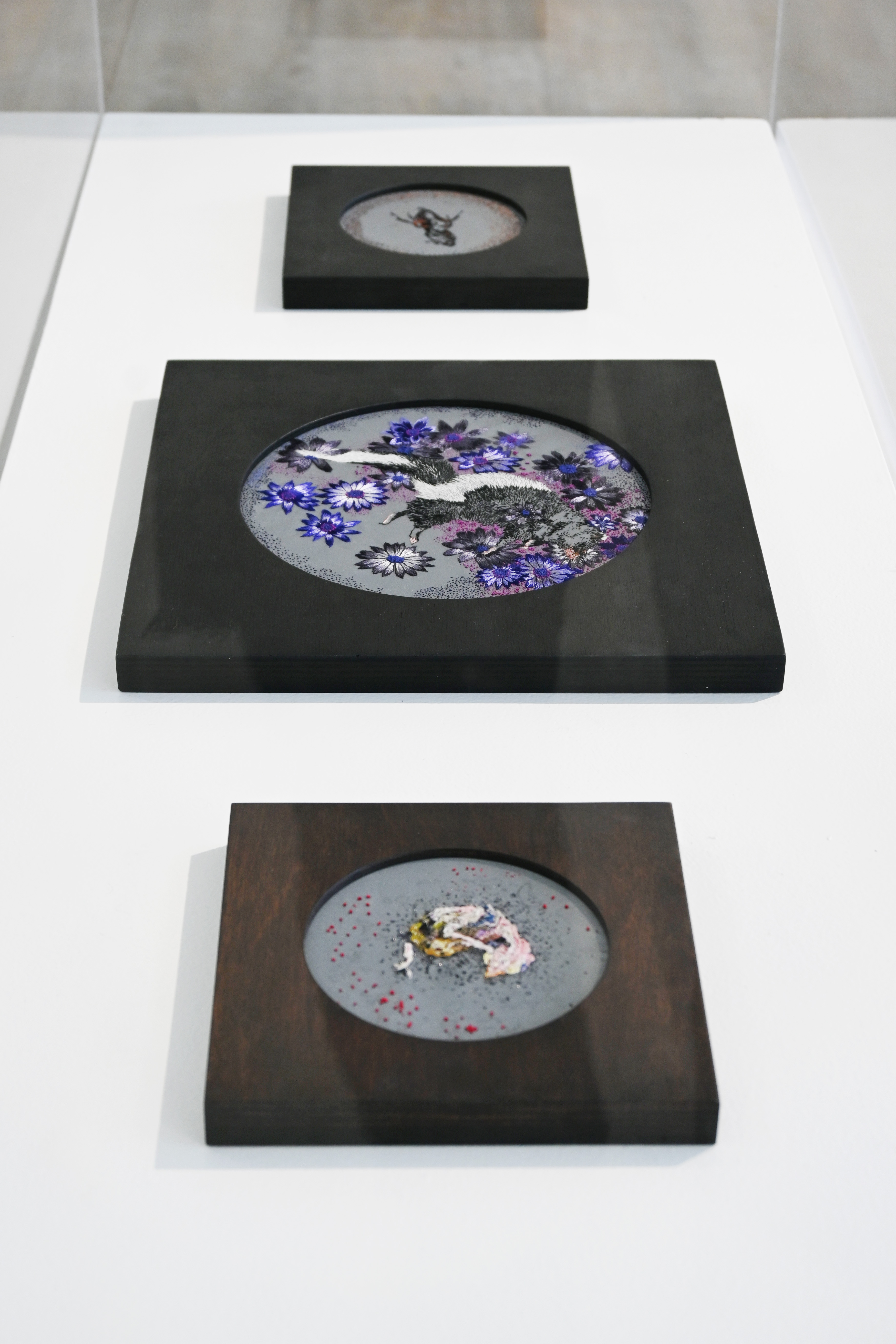
Her sculptural work explores the theme of nature versus nurture, where she combines found natural objects with toys commonly associated with childhood. Through her use of glass, Emily illustrates the fragility of life and highlights the often detrimental impacts of human activity on our ecosystems, and captures the bittersweet memories of childhood innocence. Her illustrative works delve into the life cycle, specifically addressing how we confront death and the global gender issues that affect women universally. Additionally, Emily creates puppets and marionettes using ceramics, engages in street photography, and documents the tiny deaths she encounters during her walks. She then transforms this photographic imagery into intricate embroideries, using the finest silk threads available.
Statement
“In my Tiny Death series, I explore the often-overlooked narratives of the natural world by documenting the small lives that meet untimely ends during my daily walks. My photographs capture these tiny deaths—be they insects or small animals—revealing the stark realities of their demise: some are tragically hit by cars, others have fallen from trees, or succumbed to predation. While society often reacts with disgust or indifference to these lifeless forms, I seek to challenge this perspective by honoring their existence and emphasizing their role within the ecosystem.
Each photograph serves not only as a visual record but also as a poignant reminder of the fragility of life. I aim to shift the narrative from one of horror to one of respect; if possible, I often relocate these creatures to a more dignified resting place—an act of recognition akin to a burial. Through the process of embroidery, I transform my photographic imagery into delicate works of art, using the finest silk threads to recreate the intricate details of life and death.
As this project has evolved over the years, I am continually amazed and inspired by the connections it fosters. Friends, family, and even strangers have begun to share their own finds with me, sending images of tiny deaths they encounter, further enriching the conversation around life, death, and our intertwined existence within the natural world. Through the Tiny Death series, I hope to provoke thought, evoke empathy, and encourage a deeper appreciation for all living beings, no matter how small.”
%20(1).jpg)
Eric van der Vlugt
b. Rotterdam, The Netherlands
Eric was born in Rotterdam, The Netherlands, and raised in Laren, NH, a village made famous by the “Larensche School” of landscape painters such as Jozef Israels and Anton Mauve. During his teenage years, he wandered the endless, flat polders of South Holland, where canals converge into a mathematical vanishing point and endless skies rush in billowing clouds from the North Sea. These influences can still be seen today in the atmospheric and compositional foundation of his work. Eric studied traditional printmaking techniques at Atelier Agib in Brussels, Belgium, before studying at Philadelphia College of Art, where he graduated with a BFA in printmaking. He taught at Maryland Institute College of Art, West Chester University, and Philadelphia College of Art, and, worked as Master Printer at Brandywine Graphic Workshop. Eric was the founder of Articus Ltd., one of the largest advertising agencies in Philadelphia, until the 2020s.
His work is represented by several galleries in the U.S. and the Netherlands. His work are in the permanent collections such as the Free Library of Philadelphia, and Thomas Jefferson University. His work has been shown in national juried shows at the Pennsylvania Academy of the Fine Arts, University of the Arts, and he has won numerous 'best in show' awards from the Fleisher Art Memorial, the Long Beach Island Arts Foundation, the Masonic Library, and more. He lives and works in University City, Philadelphia, and in Barnegat Light, NJ.
Statement
"My work starts with a narrative; a story line that compels me and gives purpose and urgency to the creation of imagery. These stories typically find expression in a series of sketches and drawings and evolve into final paintings - sometimes a straightforward process, sometimes maddingly circuitous.
Whether constructing a landscape, still life, or the human figure, I approach them equally as dimensional constructs - each with a distinct architecture, topography and color sense. The composition and placement of elements into the illusion of three-dimensional space is what ultimately challenges me – and makes a painting satisfactory or not.
I try to express moments of absolute stillness and balance in my compositions – a meditative respite. That is what the act of painting offers me. There is nothing I'd rather do; with the smell of turpentine in my nostrils, I lose myself in my work, time stops and my past and future blend effortlessly."


